
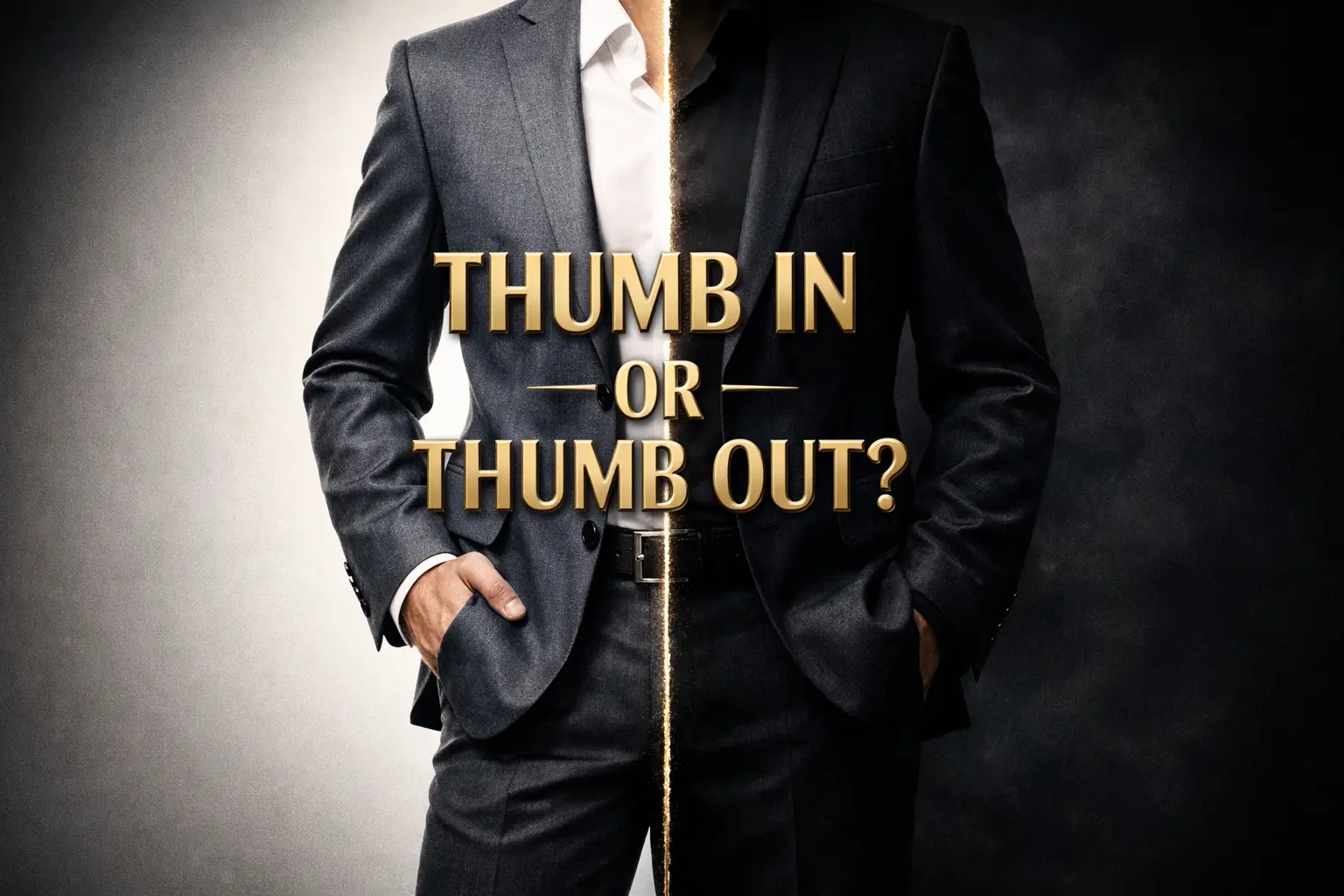
Understanding small expressions in English can make a huge difference in communication. One phrase that often confuses learners is “thumb in or thumb out mean.” Many students wonder whether it refers to grammar, gestures, idioms, or everyday language usage.
In reality, this phrase relates to body language, gestures, and expressions used in communication, and understanding it can help learners interpret conversations more accurately. In modern English communication, especially in social settings- thumb gestures convey meaning without words.
In this complete English grammar and communication guide, you will learn:
- What thumb in or thumb out mean
- How these gestures are interpreted
- Common mistakes learners make
- Practical examples used in everyday situations
- Exercises to test your understanding
Let’s explore everything step-by-step.
What Does Thumb In or Thumb Out Mean?
The phrase thumb in or thumb out mean usually refers to hand gestures where the thumb position communicates a message or attitude. In many cultures, the thumb plays an important role in body language.
The meaning can vary depending on context, culture, and situation.
Generally speaking:
- Thumb out often shows confidence, approval, or dominance
- Thumb in often suggests nervousness, insecurity, or submission
These gestures are commonly noticed in:
- Conversations
- Presentations
- Social interactions
- Public speaking
Basic Meaning Examples
| Gesture | Meaning | Situation |
| Thumb out | Confidence or authority | Speaking in a meeting |
| Thumb in | Nervousness or discomfort | Feeling shy in a group |
| Thumbs up | Approval or agreement | Saying “good job” |
| Thumb pointing backward | Indicating direction | Informal conversation |
Simple Example Sentences
He stood with his thumbs out of his pockets, showing confidence.
She kept her thumbs inside her hands, which showed she was nervous.
The manager spoke calmly with his thumbs out, signaling authority.
During the interview, he hid his thumbs inside his palms.
Understanding these gestures helps learners interpret hidden meanings in communication.
Why Understanding Thumb Gestures Is Important in Communication
Many English learners focus only on words and grammar, but communication also includes non-verbal signals.
Gestures like thumb in or thumb out can reveal emotions and intentions.
These gestures help people understand:
- Confidence
- Nervousness
- Authority
- Comfort level
- Personality traits
Situations Where Thumb Gestures Matter
- Job interviews
- Public speaking
- Business meetings
- Presentations
- Social conversations
For example:
- A speaker with thumbs out appears more confident.
- A person hiding their thumbs in pockets may appear unsure.
Communication Insight Table
| Gesture Style | Possible Meaning | Impression Created |
| Thumbs visible | Confidence | Leadership |
| Thumbs hidden | Nervousness | Lack of confidence |
| Thumbs pointing upward | Approval | Positive reaction |
| Thumbs tucked in pockets | Insecurity | Shyness |
Understanding this helps learners interpret conversations more accurately.
Grammar Rules of Thumb In or Thumb Out Mean
While the phrase itself relates to gestures, learners often ask how to use it correctly in sentences.
The expression typically appears in descriptive sentences about body language.
Grammar Structure
Common patterns include:
- Subject + verb + thumb gesture description
- Describing posture or body language
Sentence Structure Table
| Structure | Example |
| Subject + kept + thumbs in | He kept his thumbs in his pockets. |
| Subject + stood + with thumbs out | She stood with her thumbs out confidently. |
| Subject + hid + thumbs | He hid his thumbs while speaking. |
| Subject + showed + thumbs | The leader showed his thumbs while explaining. |
More Example Sentences
The teacher spoke with his thumbs out of his pockets.
She nervously kept her thumbs tucked inside her hands.
The confident presenter stood with thumbs visible.
He crossed his arms and hid his thumbs inside.
These examples help learners understand how to describe gestures correctly in English.
Thumb In or Thumb Out Mean With Simple Examples
Learning through examples makes grammar and communication easier.
Below are real-life situations where thumb gestures are used.
Everyday Conversation Examples
During the speech, he kept his thumbs out to show confidence.
The shy student hid her thumbs inside her sleeves.
The boss stood proudly with his thumbs out.
When he felt uncomfortable, he tucked his thumbs into his palms.
The politician spoke with thumbs visible, projecting authority.
The nervous speaker kept his thumbs hidden in his pockets.
She relaxed and placed her thumbs outside her pockets.
Gesture Interpretation Table
| Example Situation | Thumb Position | Meaning |
| Job interview | Thumbs hidden | Nervousness |
| Public speech | Thumbs out | Confidence |
| Casual conversation | Thumbs relaxed | Comfort |
| Leadership presentation | Thumbs visible | Authority |
These examples show how thumb gestures influence perception.
Common Mistakes Students Make
English learners often misunderstand thumb gesture expressions or use them incorrectly in sentences.
Here are some common mistakes.
Correct vs Incorrect Usage
| Incorrect Sentence | Correct Sentence |
| His thumb was out means confidence. | His thumbs out showed confidence. |
| He thumb in pocket. | He kept his thumbs in his pockets. |
| Thumb out mean strong. | Thumbs out often mean confidence. |
| He hide thumb in hand. | He hid his thumbs in his hands. |
Typical Learner Mistakes
- Using singular thumb instead of thumbs
- Incorrect sentence structure
- Confusing gesture meaning
- Overusing literal translation from other languages
Tip
Always describe gestures clearly using natural English sentence structure.
Difference Between Thumb Gestures and Similar Body Language
Thumb gestures are only one part of body language communication.
Other gestures also influence meaning.
Comparison Table
| Gesture | Meaning |
| Thumbs up | Approval |
| Thumbs down | Disapproval |
| Arms crossed | Defensive attitude |
| Hands behind back | Authority |
| Thumbs in pockets | Nervousness |
Example Sentences
- He crossed his arms and hid his thumbs, showing discomfort.
- The leader spoke with his hands behind his back confidently.
- She gave a thumbs up after the presentation.
Understanding different gestures helps learners interpret real conversations better.
Quick Summary Table of Thumb In or Thumb Out Mean
To make everything easier, here is a quick reference summary.
| Concept | Meaning |
| Thumb out | Confidence, authority |
| Thumb in | Nervousness, insecurity |
| Thumbs visible | Strong presence |
| Thumbs hidden | Shyness or discomfort |
Key Learning Points
- Thumb gestures are part of non-verbal communication.
- They often appear in descriptions of body language.
- Context determines the exact meaning.
Practice Exercises
Now let’s test your understanding.
Fill in the Blanks
The speaker stood confidently with his ______ out.
She felt nervous and kept her ______ hidden in her pockets.
The manager spoke calmly with his ______ visible.
The shy student tucked her ______ inside her hands.
During the interview he kept his ______ in his pockets.
Correct the Sentence
He thumb out when speaking.
She hide thumb in her hands.
His thumb out show confident.
He keep thumb in pocket.
They stand with thumb out.
Answers
Fill in the blanks
thumbs
thumbs
thumbs
thumbs
thumbs
Corrected sentences
He stood with his thumbs out when speaking.
She hid her thumbs in her hands.
His thumbs out showed confidence.
He kept his thumbs in his pockets.
They stood with their thumbs out.
FAQs
Q: What does thumb out mean in body language?
Answer: Thumb out usually represents confidence, authority, or openness in body language communication.
Q: What does thumb in mean?
Answer: Thumb-in often indicates nervousness, insecurity, or lack of confidence.
Q: Is thumb gesture mean the same in every culture?
Answer: No. While many interpretations are similar, gesture meanings can vary across cultures.
Q: Does “thumb in or thumb out mean” a grammar rule?
Answer: No. It is mainly related to body language interpretation, though it can appear in descriptive English sentences.
Q: Why should English learners understand gestures?
Answer: Gestures help learners understand hidden emotional signals and real-life communication.
Final Tips for Learners
Learning expressions like thumb in or thumb out mean improves not only grammar knowledge but also communication awareness.
Here are a few helpful tips:
- Observe body language in conversations
- Watch interviews or presentations
- Notice how confident speakers use gestures
- Practice describing gestures in English sentences
Doing this will make your English more natural and expressive.
Conclusion
Understanding thumb in or thumb out ” helps learners interpret body language and communication signals in English. While grammar focuses on words and structure, gestures add emotion, intention, and personality to conversations.
In general:
- Thumb out suggests confidence and authority
- Thumb in suggests nervousness or insecurity
By learning these subtle signals and practicing descriptive sentences, you can improve both your English communication skills and cultural awareness.