Bougie vs Boujee Meaning, Difference & Usage (2026 Guide)
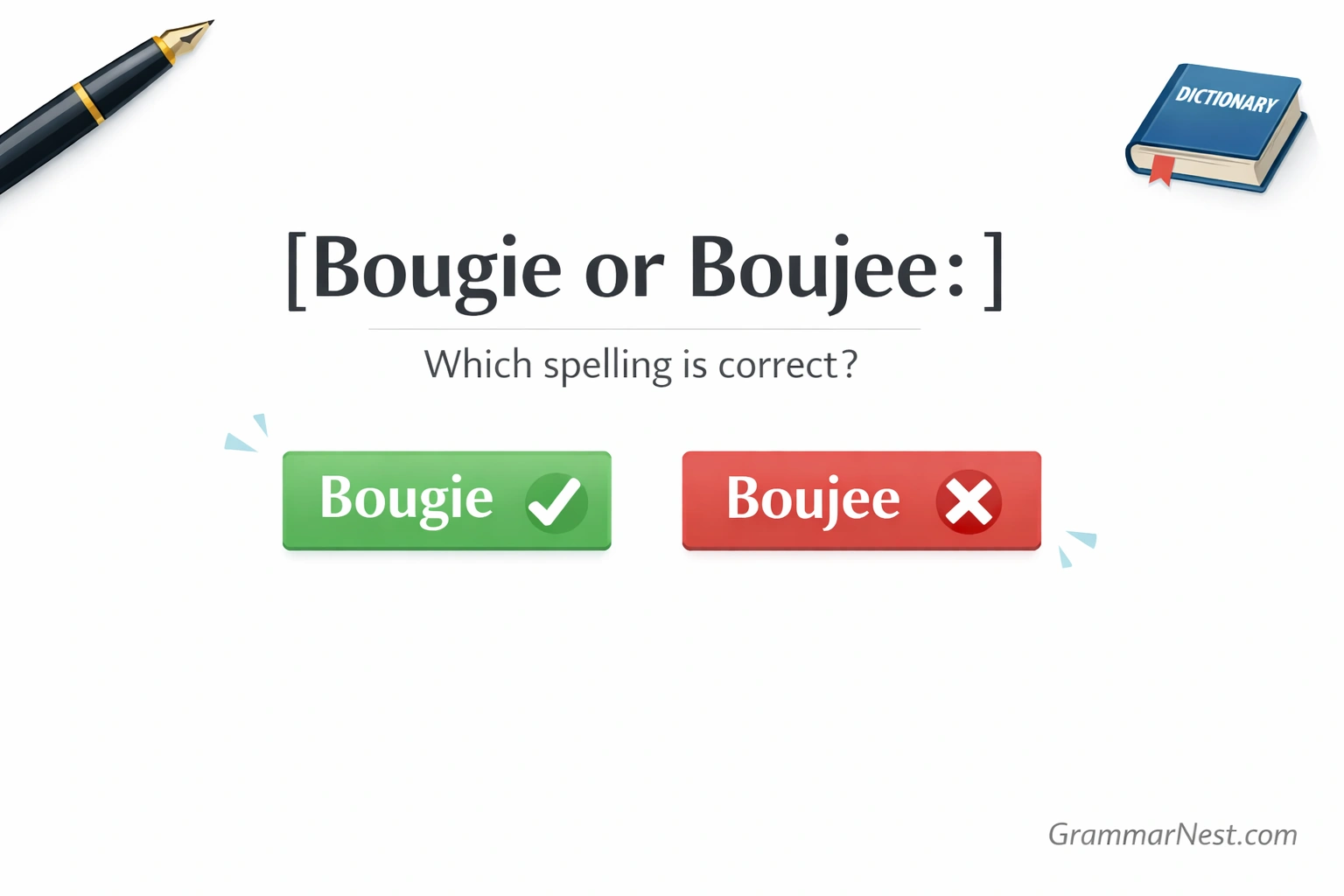
Bougie or Boujee

If you’ve ever seen the words “bougie” and “boujee” on social media, you’re not alone in wondering which one is correct 🤔 These words have exploded in popularity thanks to internet culture, music, and slang, especially among younger audiences. But here’s the catch: they sound similar, look similar, and are often used in the same … Read more
Laid Out vs Layed Out – Correct Usage & Meaning (2026 Guide)

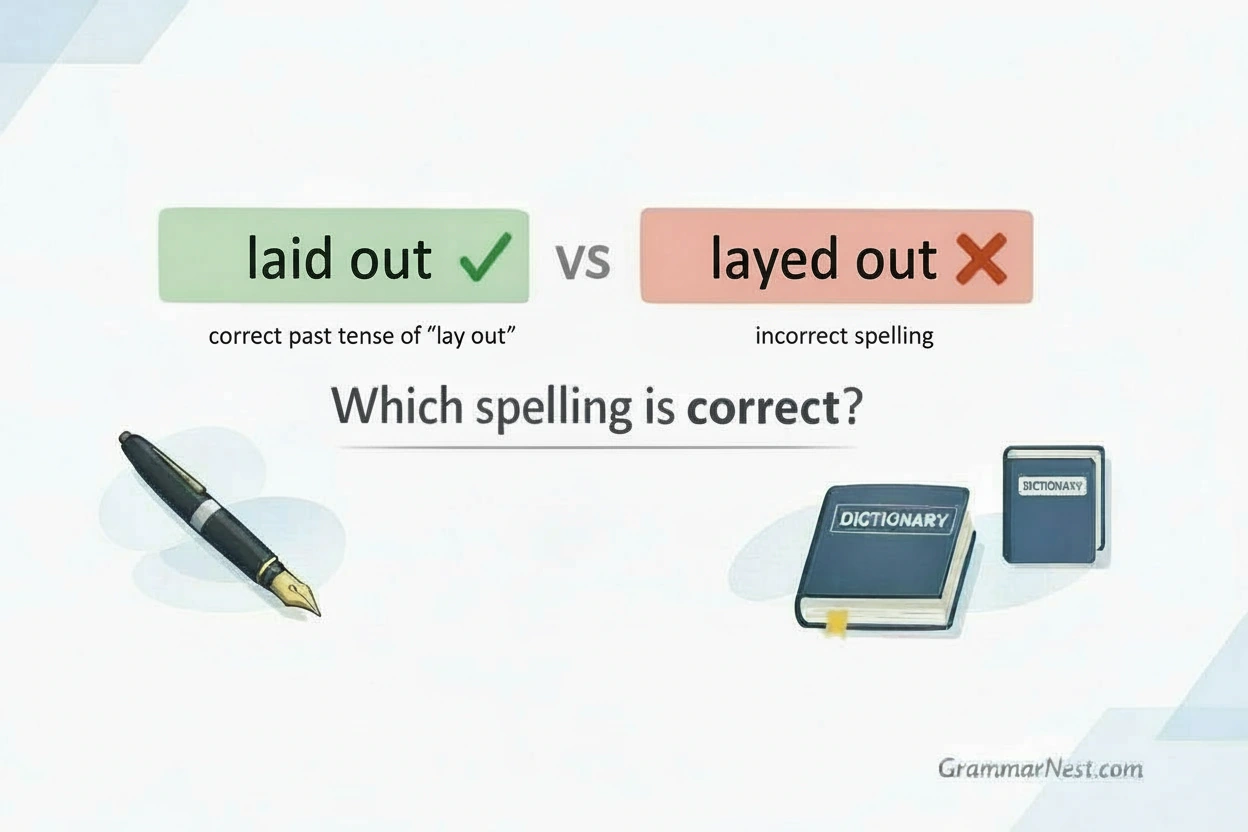
laid out vs layed out

English grammar can be tricky, especially when words sound correct but are actually spelled incorrectly. A common example is “laid out vs layed out.” Many writers assume that “layed out” is the past tense of lay, but this is a very common spelling mistake. In reality, “layed out” is not considered correct in standard English. … Read more

Leaves or Leafs – Correct Meaning, Grammar & Examples (2026 Guide)

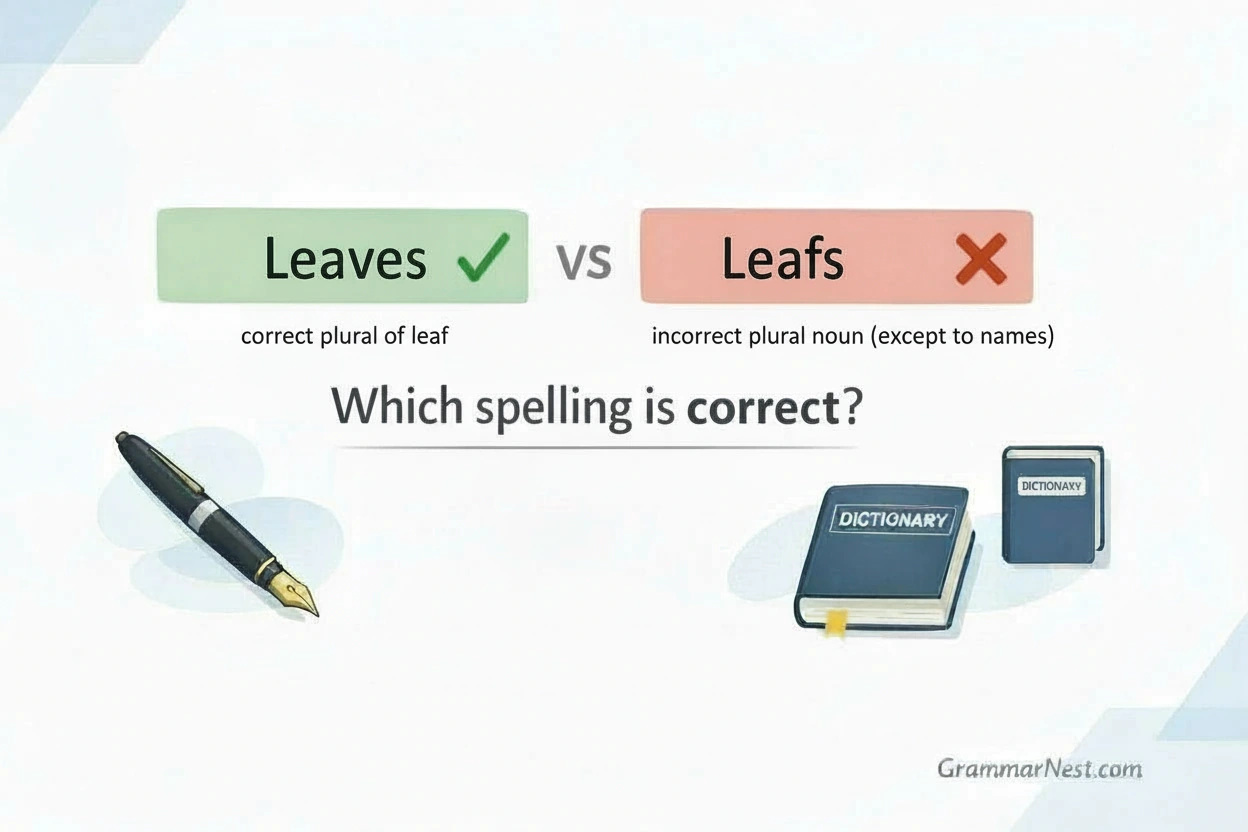
Leaves or Leafs

English spelling rules can sometimes be confusing, especially when words change their form in the plural. One common question many learners ask is: “Is it leaves or leafs?” At first glance, both words look correct because they follow patterns found in other English words. However, only one is considered the standard plural form of “leaf.” … Read more

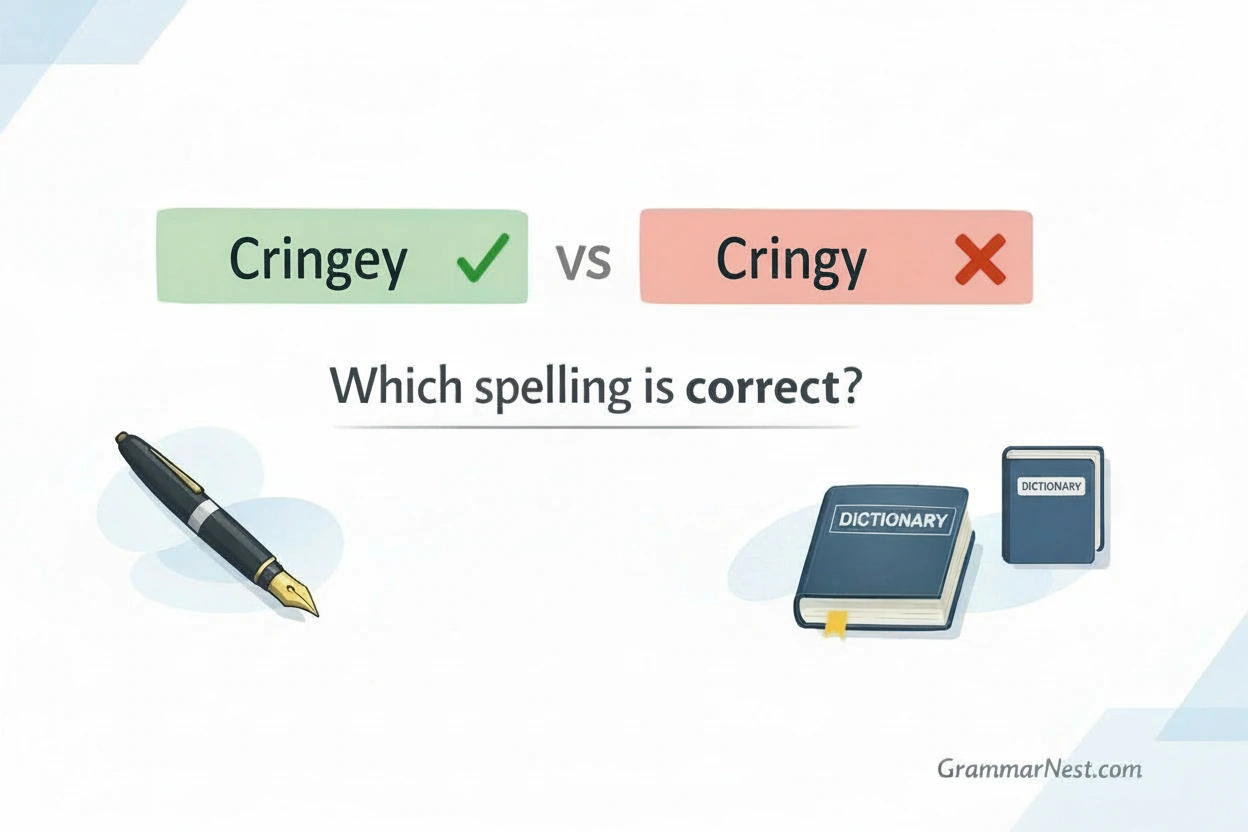
Cringy or Cringey – Correct Spelling, Meaning & Examples (2026 Guide)

Cringy or Cringey

English spelling can sometimes be confusing, especially when two versions of the same word appear online. A good example is “cringy” vs “cringey.” You may have seen both spellings used on social media, blogs, and even in casual writing. Because both look correct, many people wonder which spelling they should actually use. This confusion happens … Read more

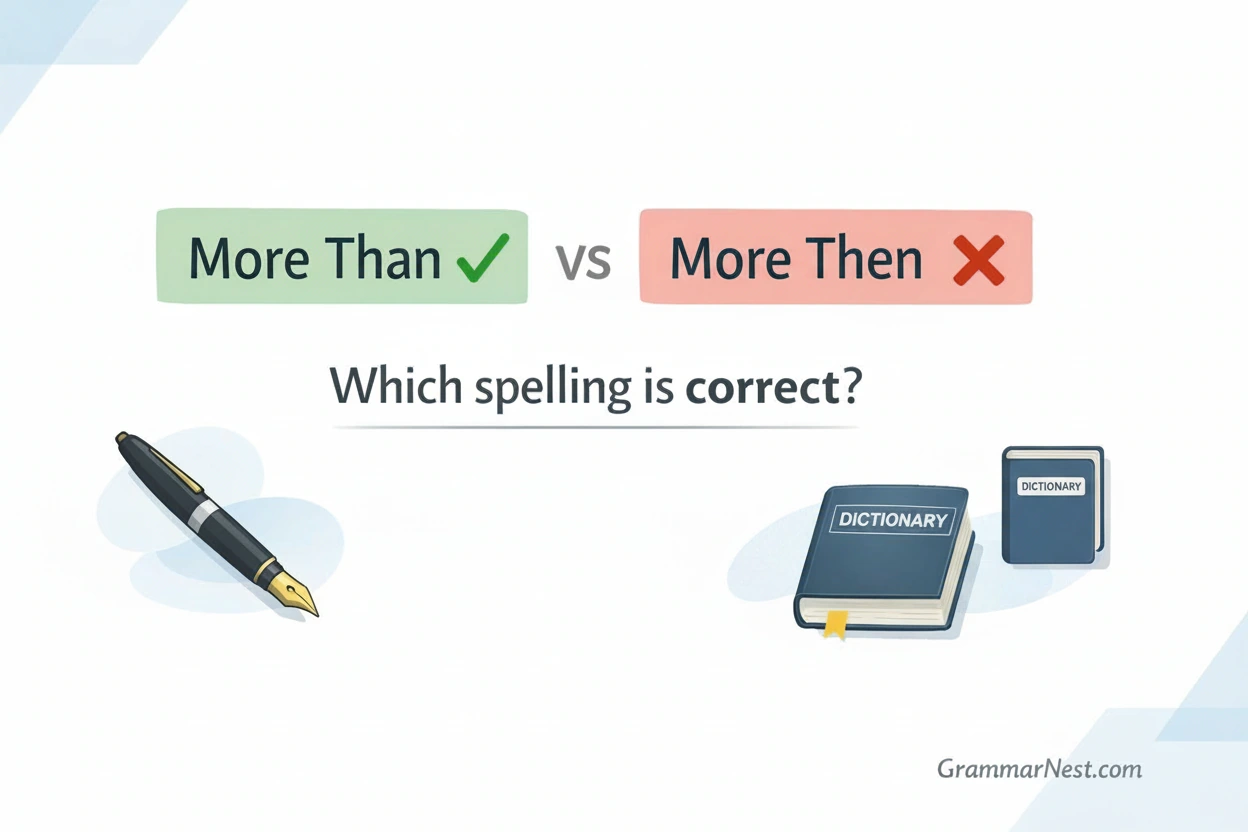
More Then or More Than – Correct Usage, Meaning & Examples (2026 Guide)

More Then or More Than

English learners and even native speakers sometimes confuse “More Then” and “More Than.” The reason is simple: the words “then” and “than” sound similar when spoken quickly. Because of this pronunciation similarity, many people accidentally write “more then” instead of the correct phrase “more than.” However, from a grammar perspective, these two words serve completely … Read more

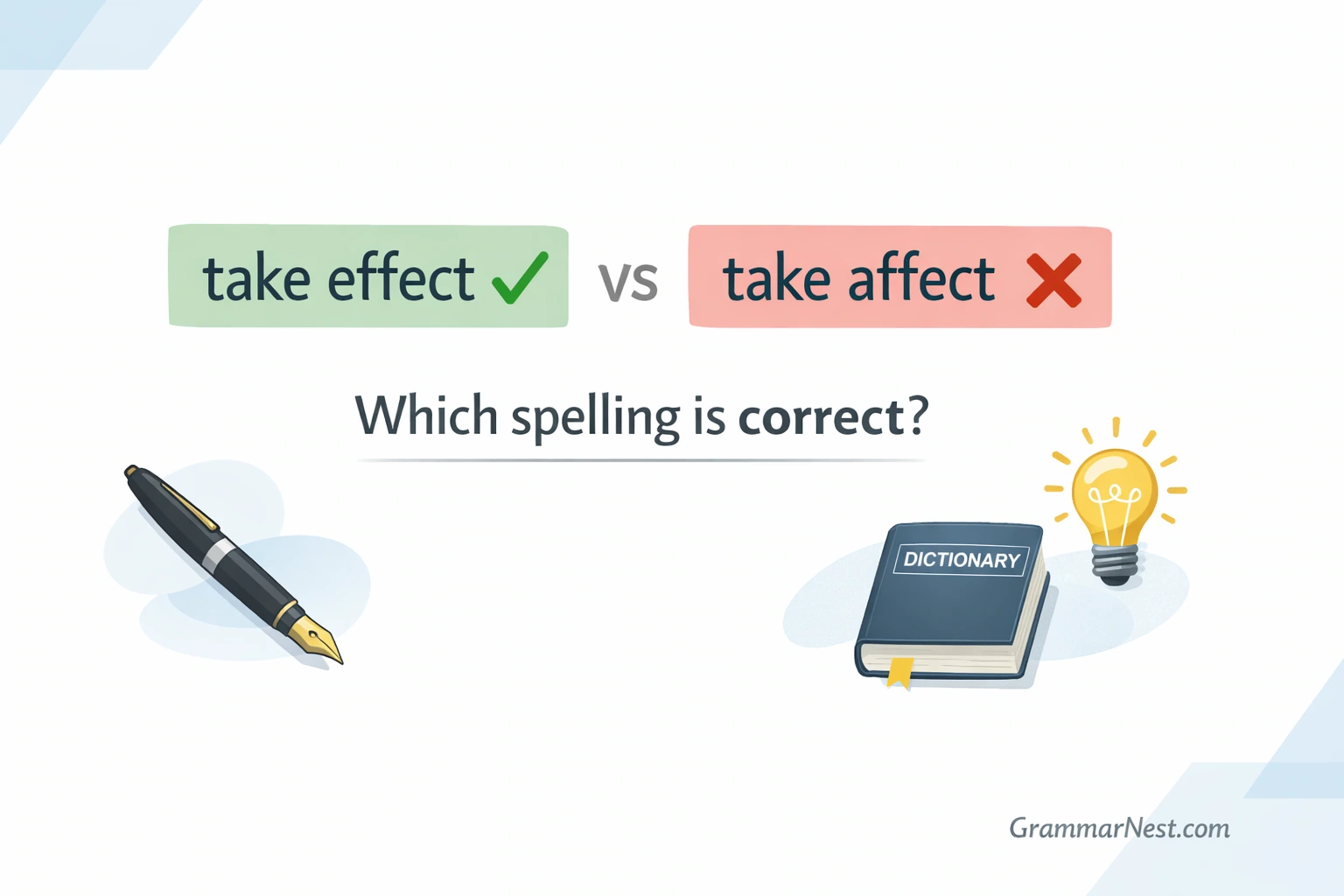
Take Affect or Take Effect – Correct Usage, Meaning & Examples (2026 Guide)

take affect or take effect

Many English learners and even native speakers get confused between “take affect” and “take effect.” At first glance, the two phrases look very similar. The only difference is one letter: a and e. However, in standard English grammar, only “take effect” is correct. The confusion usually happens because of the words affect and effect, which … Read more

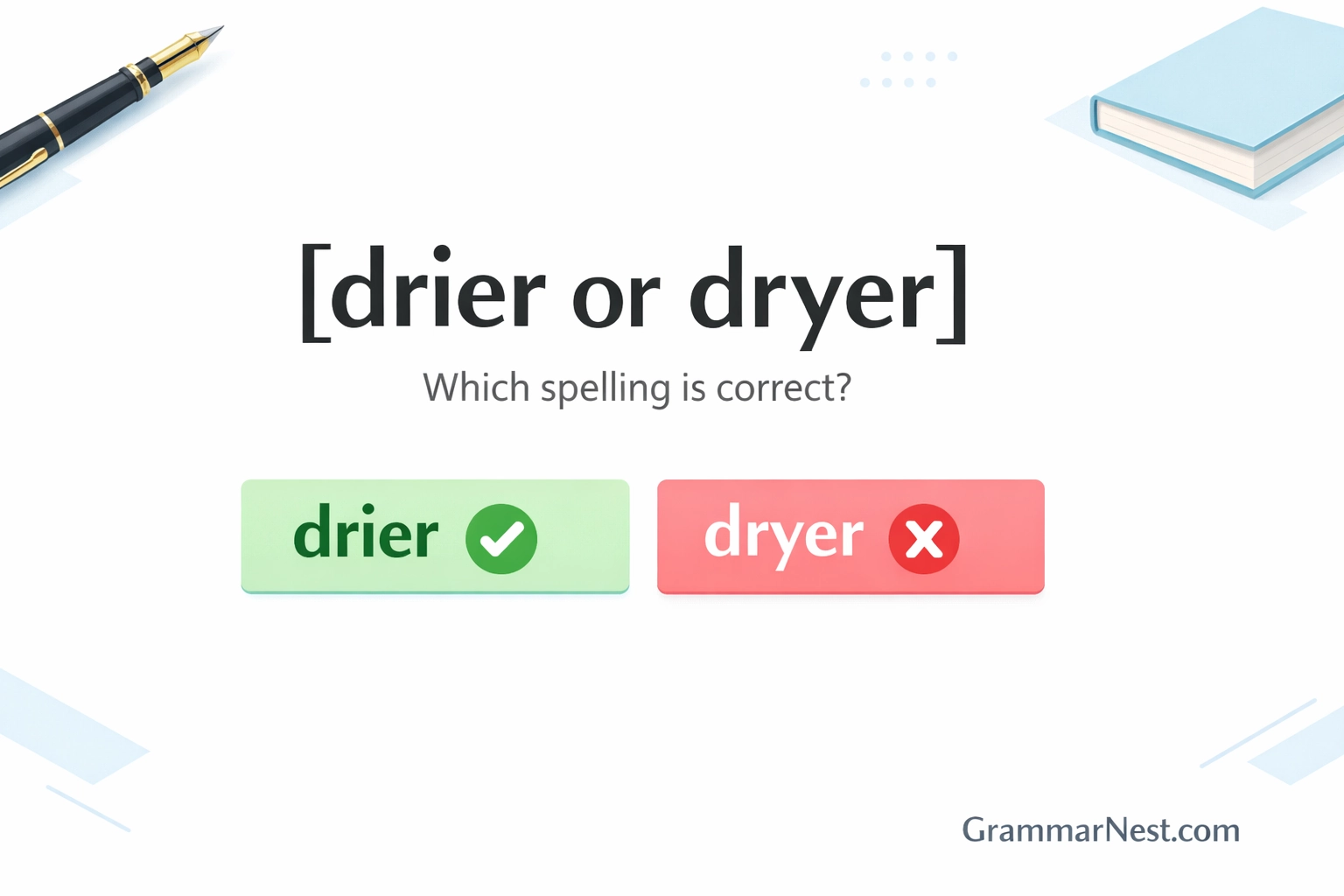
Drier vs Dryer – Correct Spelling, Meaning & Examples (2026 Guide)

drier vs dryer

English learners and even native speakers often get confused between “drier” and “dryer.” At first glance, these two words look almost identical, but they actually serve different grammatical purposes. The confusion mainly happens because both words come from the verb “dry.” However, one word is used for comparisons, while the other usually refers to a … Read more

Happy New Year or Years – Correct Usage, Grammar Rules & Examples (2026 Guide)

Happy New Year or Years

Every year, millions of people send greetings saying “Happy New Year!” to friends, family, and colleagues. But many English learners pause and wonder: Is it “Happy New Year” or “Happy New Years”? This small grammar question causes confusion for beginners and even native speakers. The difference concerns possessive forms, plural nouns, and standard English greeting … Read more

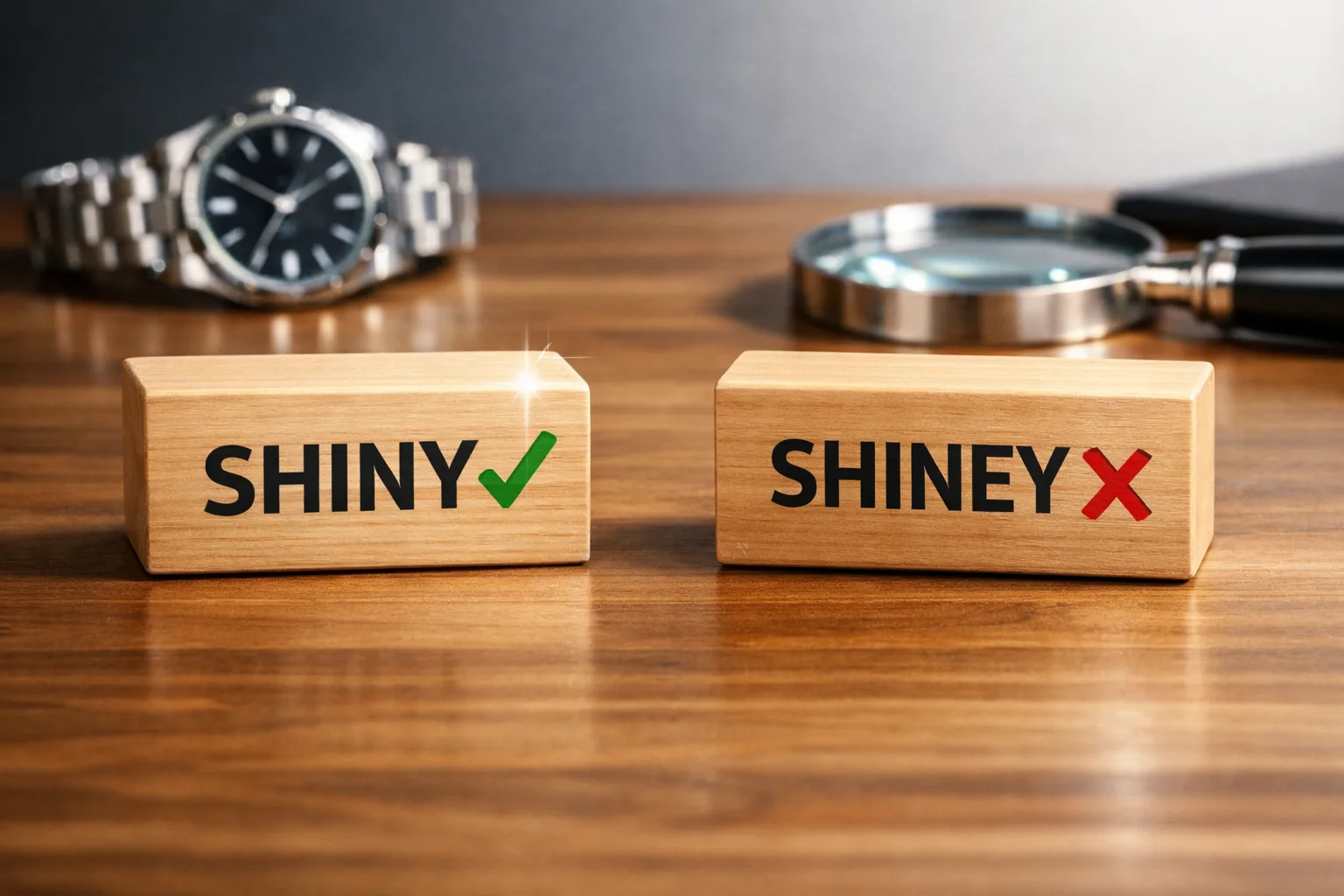
Shiny vs Shiney –  Explained Simply: Correct Usage, Rules & Examples (2026 Guide)

Shiny vs Shiney

English spelling can sometimes be confusing, especially when words sound the same but are spelled differently. One common confusion learners face is Shiny vs Shiney. Many people accidentally write shiney because it looks logical, but the correct spelling is actually shiny. Understanding the difference between Shiny vs Shiney is important for students, writers, bloggers, and … Read more

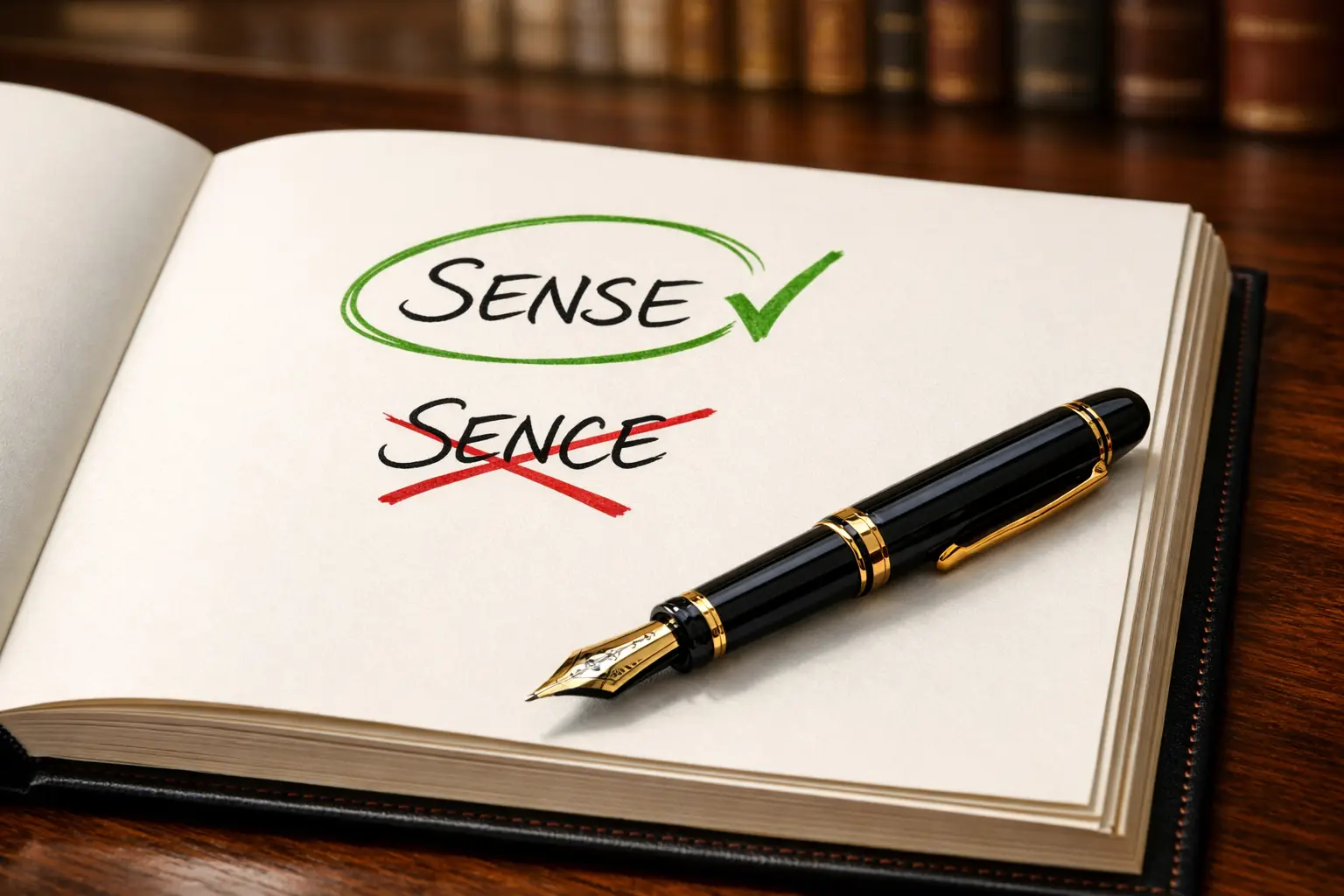
Sence or Sense – Meaning, Grammar Rules, Examples & Common Mistakes (2026 Guide)

sence or sense

English spelling can sometimes be confusing, especially when words sound similar but are written differently. One common question many learners ask is whether “sence” or “sense” is the correct spelling. The truth is simple: “sense” is the correct English word, while “sence” is a common spelling mistake. Despite sounding similar, only one of these forms … Read more