Peek vs Peak – Meaning, Difference & Examples (2026)
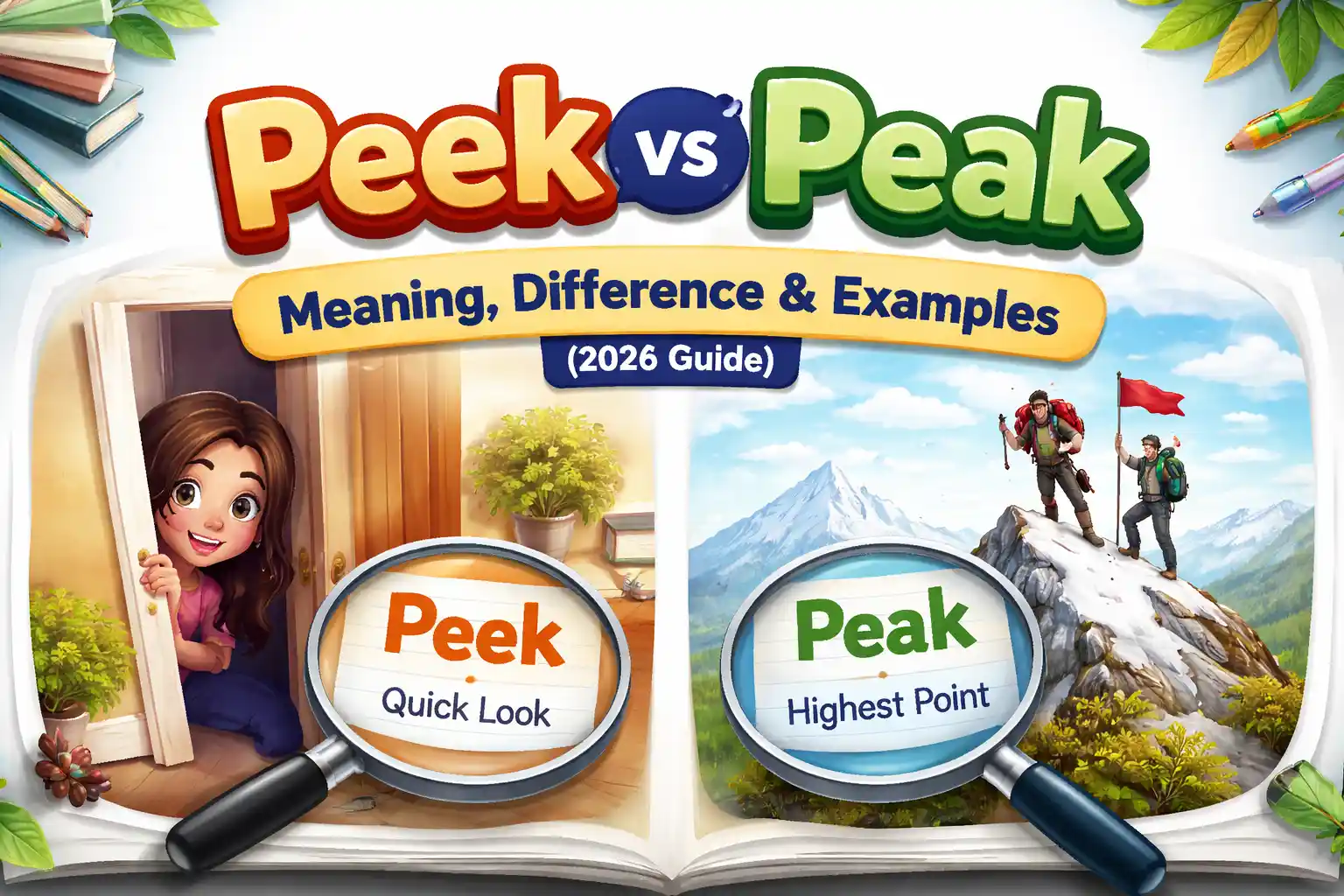
Peek vs Peak

Many English learners-and even native speakers-often confuse peek vs peak. The reason is simple: both words sound the same. These are called homophones, meaning they share the same pronunciation but have different meanings and spellings. Because they sound identical, it’s easy to mix them up in writing. But using the wrong word can completely change … Read more
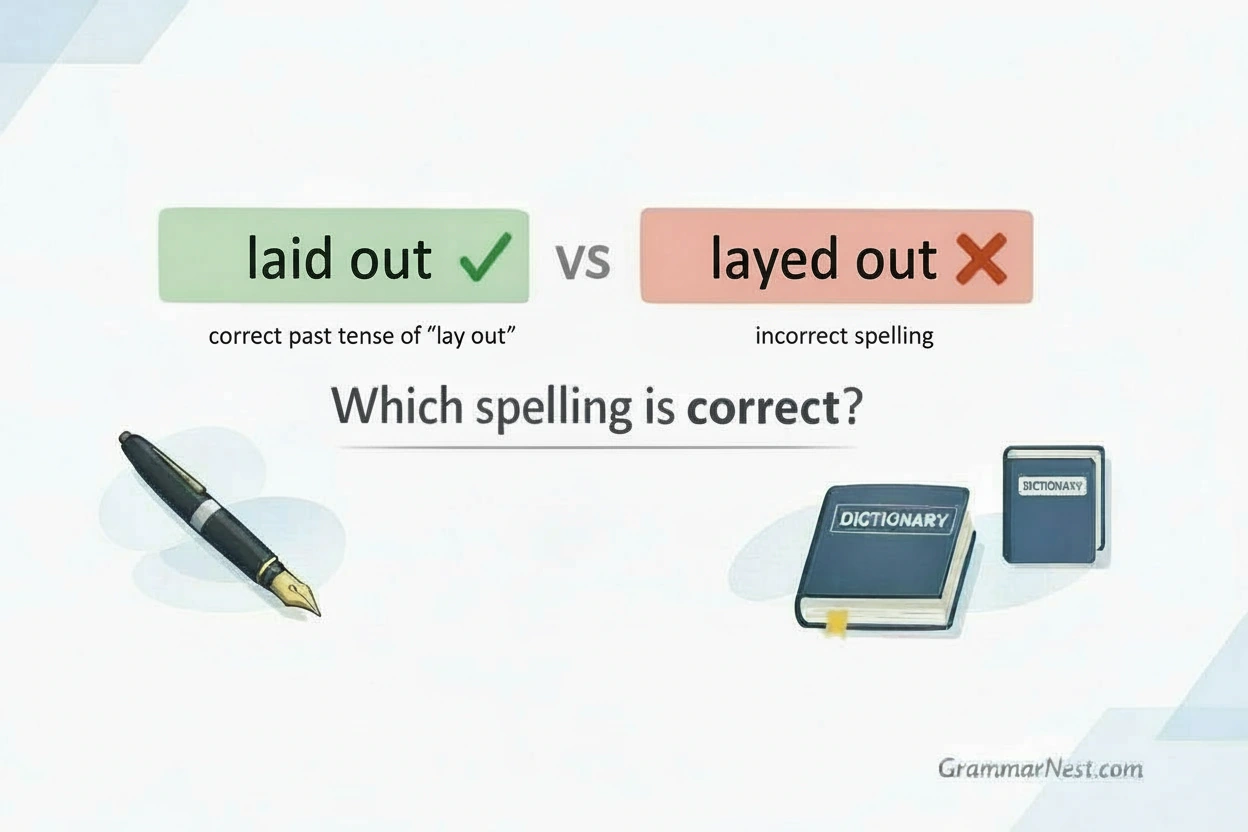
Laid Out vs Layed Out – Correct Usage & Meaning (2026 Guide)

laid out vs layed out

English grammar can be tricky, especially when words sound correct but are actually spelled incorrectly. A common example is “laid out vs layed out.” Many writers assume that “layed out” is the past tense of lay, but this is a very common spelling mistake. In reality, “layed out” is not considered correct in standard English. … Read more

Leaves or Leafs – Correct Meaning, Grammar & Examples (2026 Guide)

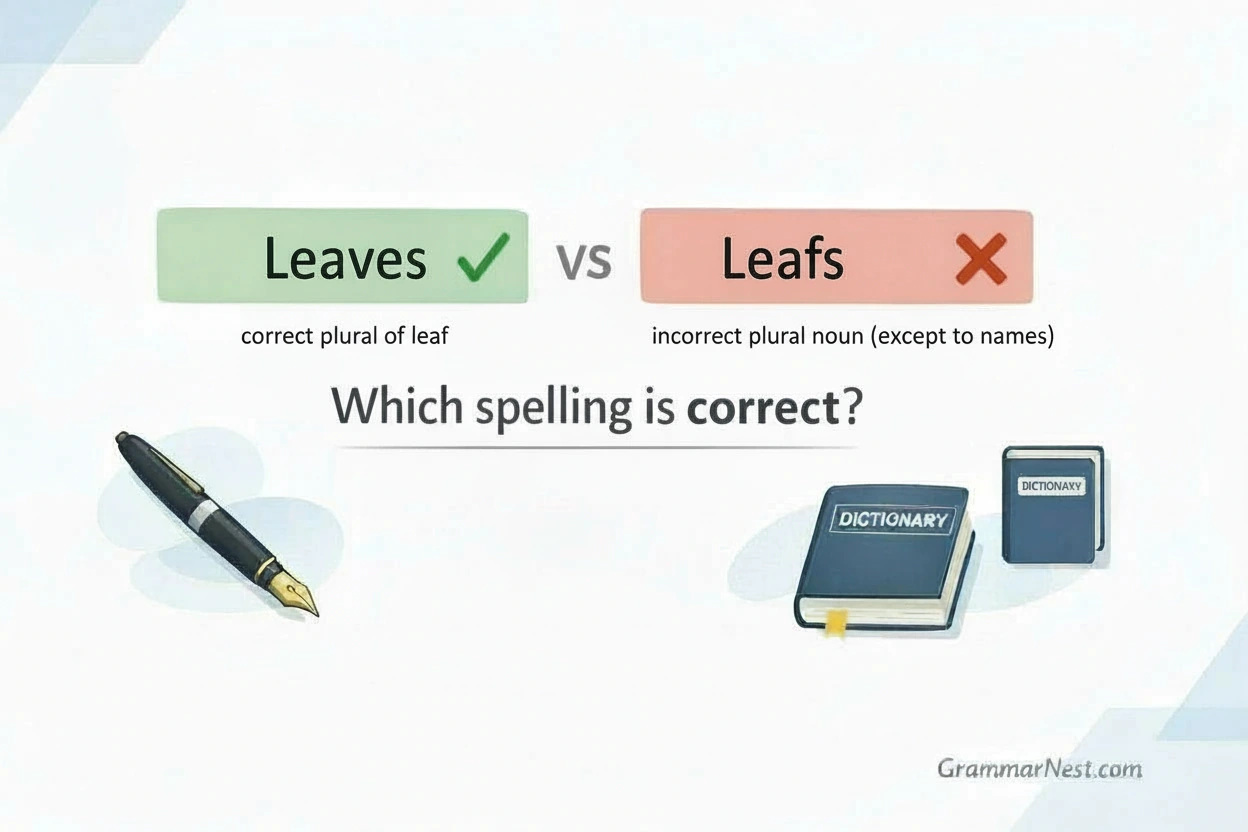
Leaves or Leafs

English spelling rules can sometimes be confusing, especially when words change their form in the plural. One common question many learners ask is: “Is it leaves or leafs?” At first glance, both words look correct because they follow patterns found in other English words. However, only one is considered the standard plural form of “leaf.” … Read more

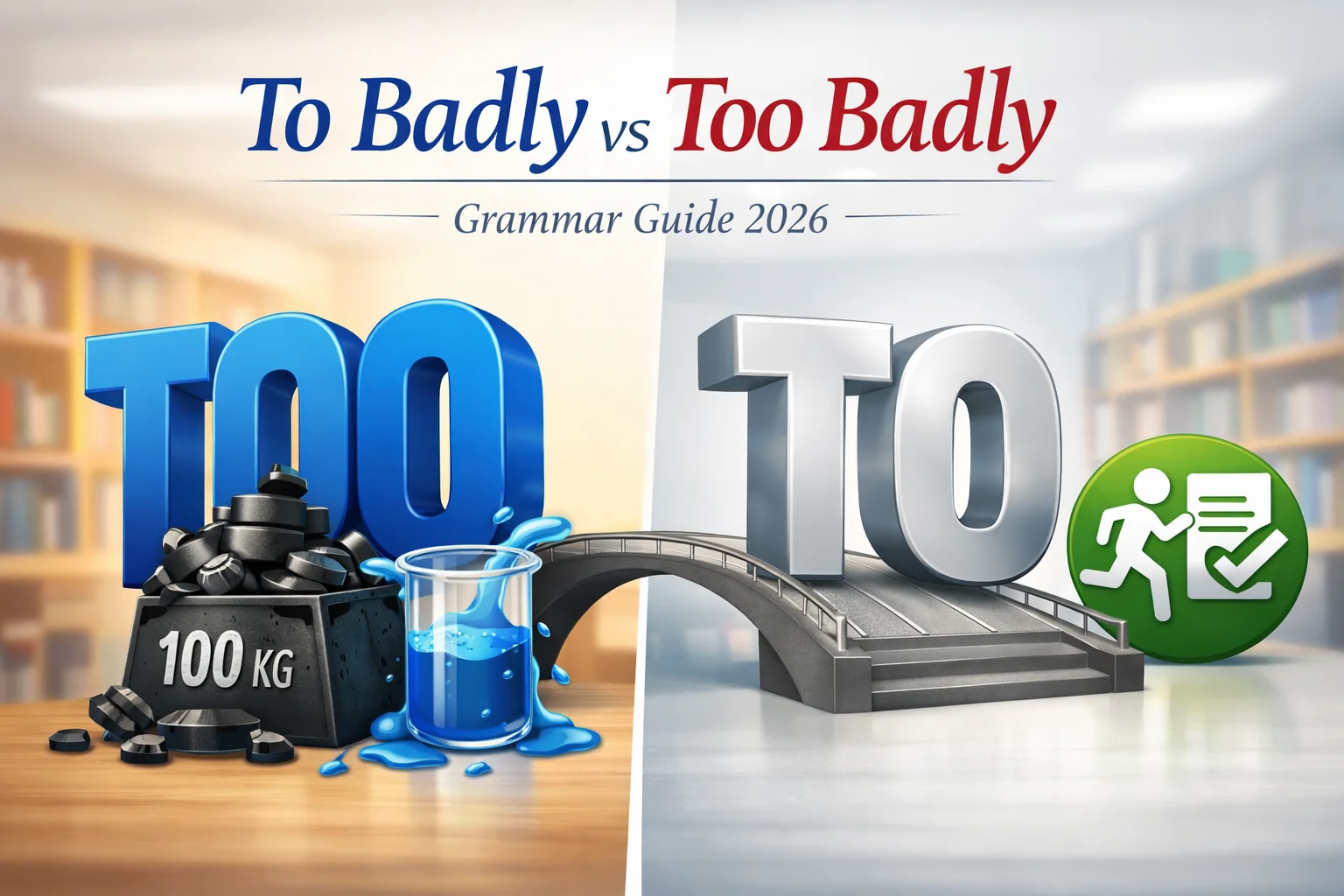
To Badly or Too Badly – Correct Usage, Grammar Rules & Examples 2026 Guide

to badly or too badly

English learners often struggle with small words that change the meaning of a sentence. One such confusing pair is “to badly or too badly.” Although they look very similar, their meanings and grammatical roles are completely different. Understanding the difference between to badly or too badly is important because a small spelling mistake can make … Read more

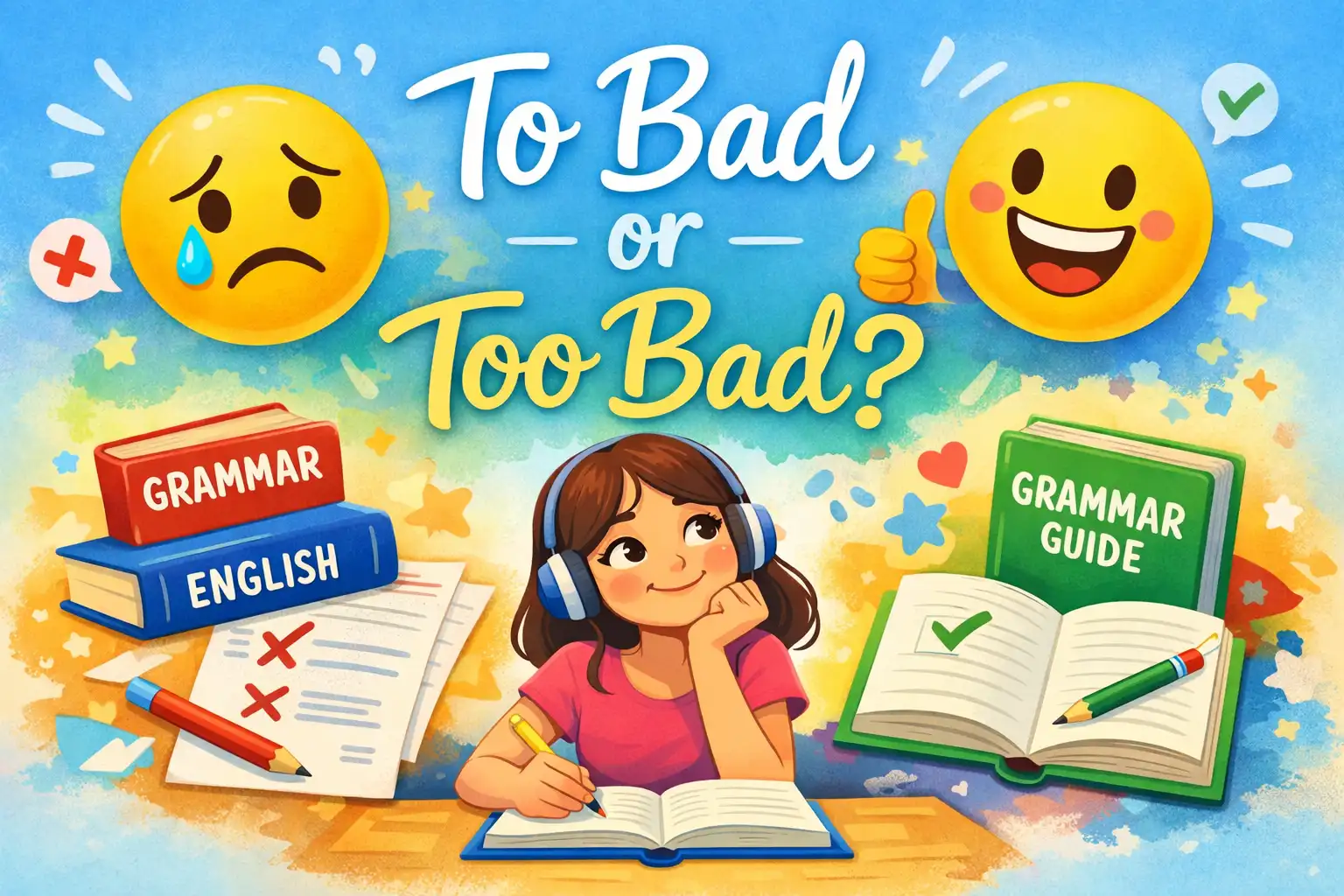
To Bad or Too Bad – Meaning, Grammar Rules, Examples & Common Mistakes (2026 Guide)

to bad or too bad

Many English learners often struggle with small but important word differences -and one of the most common confusions is to bad or too bad. At first glance, both look similar, but only one is grammatically correct in most situations. Understanding the difference is essential for writing clearly, speaking correctly, and avoiding embarrassing grammar mistakes. Whether … Read more