Freeing vs Freeing – Correct Usage & Meaning Explained (2026)
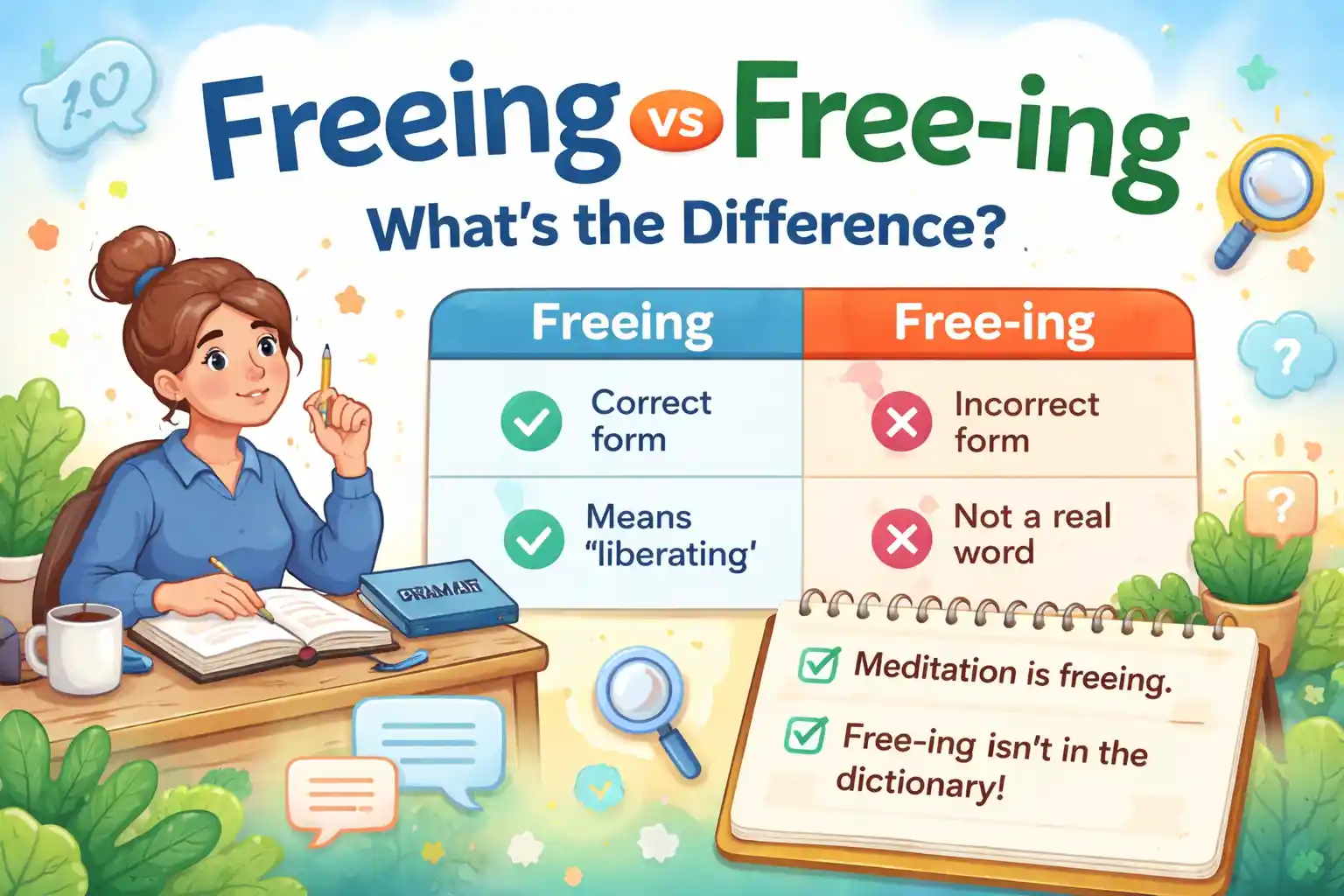
Freeing vs Freeing

When you’re learning English, certain words can be confusing due to their similar spelling or sound. A common example that often leads to confusion is “freeing vs freeing.”  Despite their identical spelling, understanding the correct usage and meaning behind these words can make a big difference in your writing and communication. In this comprehensive guide, … Read more
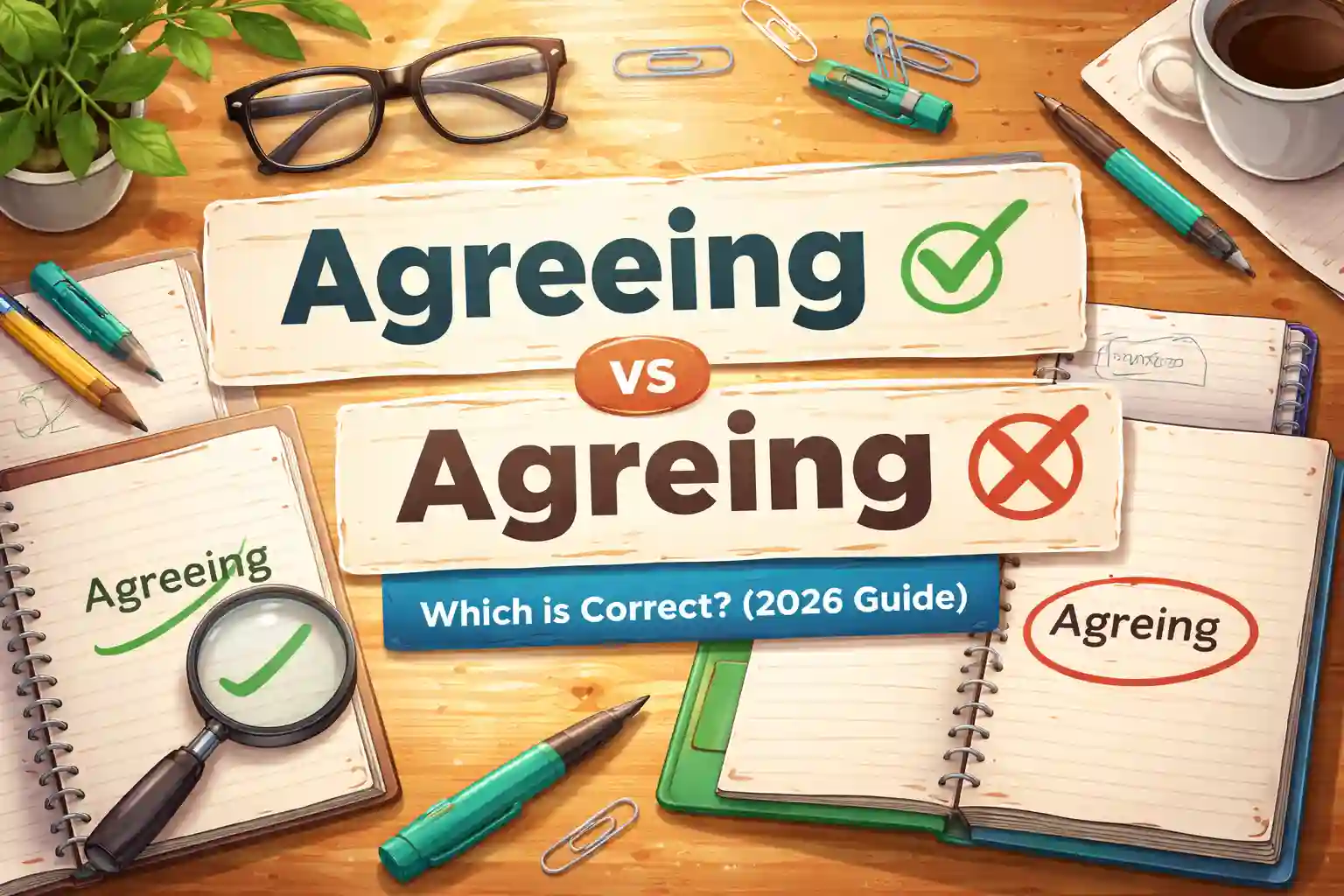

Agreeing vs Agreing – Correct Spelling, Meaning & Examples (2026)

Agreeing vs Agreing

When it comes to English spelling and grammar, small mistakes can make a big difference, and the confusion between agreeing and agreing is a perfect example. While both words look similar, only one of them is correct. If you’ve found yourself unsure about which one to use, you’re not alone! Many people get caught in … Read more

Mecca vs Makkah – Correct Spelling, Meaning & Examples (2026)

Mecca or Makkah

The words “Mecca” and “Makkah” refer to the same city, the birthplace of the Prophet Muhammad and the site of the holy Kaaba.  However, the different spellings have confused many people.  Is one more correct than the other? Should you use one form over the other depending on your location or context? Let’s clear up … Read more

Stationary vs. Stationery – Correct Usage, Meaning & Examples (2026)

Stationary vs. Stationery

The confusion between stationary and stationery is one of the most common pitfalls in English writing. While the words look and sound similar, their meanings are entirely different. This confusion is often exacerbated by their similar spellings, making it easy to use one in place of the other mistakenly. Understanding the difference is key to … Read more

Capital or Capitol – Key Difference Explained (2026)

Capital or Capitol

It’s easy to see why “capital” and “capitol” can be confused. Both words refer to important locations or buildings, but their meanings and usage differ significantly.  In this article, we’ll clear up the confusion and guide you through the proper contexts in which to use these words.  By the end, you’ll be confident in choosing … Read more

Eachother or Each Other – Which is Correct? (2026)

Eachother or Each Other

English grammar can be tricky, especially when it comes to common phrases that look similar but are used differently. One such case is the confusion between “eachother” and “each other.” Many people mistakenly use “eachother” as one word, but the correct form is actually “each other.”  Understanding the proper usage of these words will not … Read more

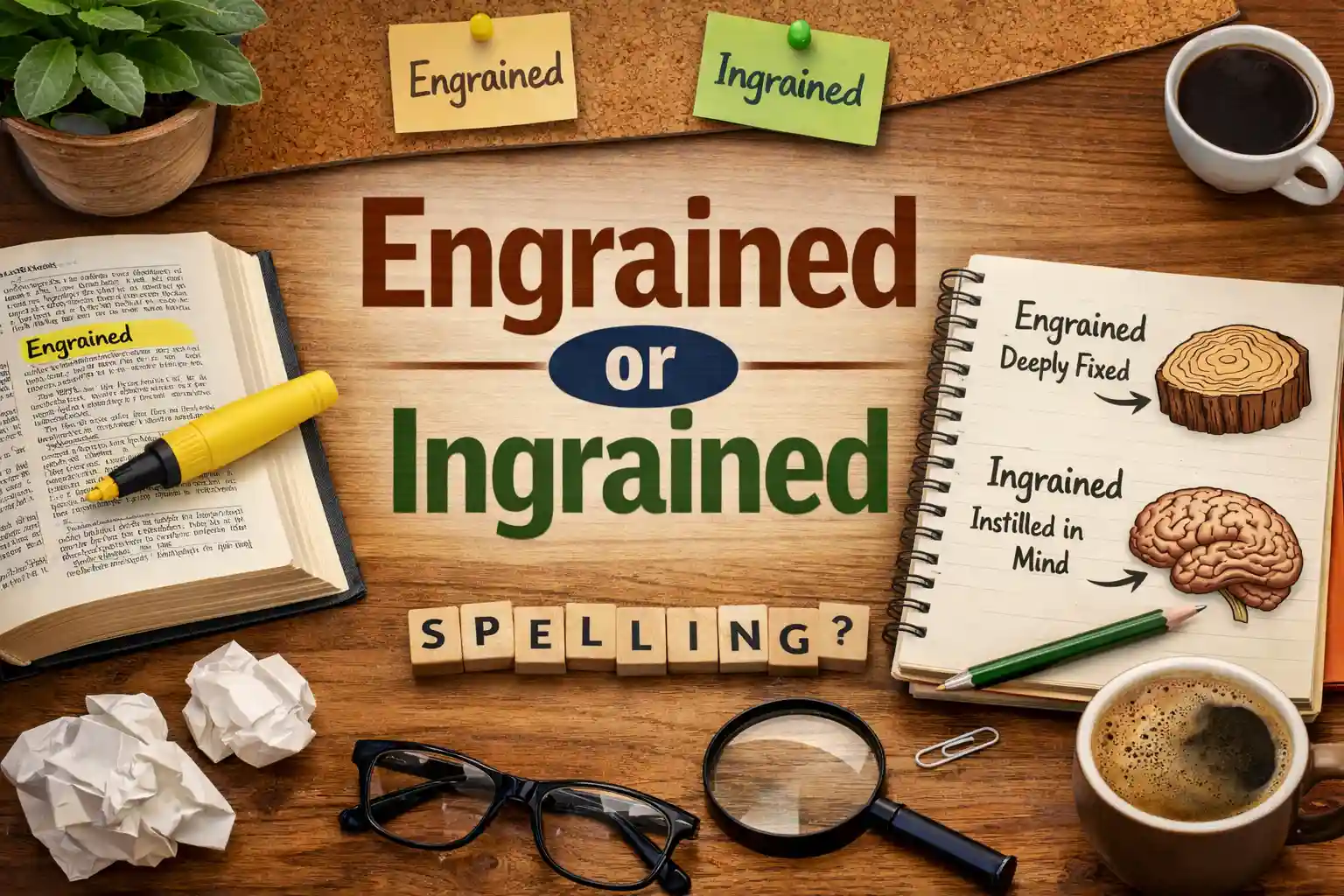
Engrained or Ingrained – Correct Usage & Meaning (2026)

Engrained or Ingrained

Many English learners and even native speakers often get confused between engrained and ingrained. Both words sound similar and relate to something deeply fixed or firmly established. However, only one of these forms is widely considered correct in modern English. Understanding the difference is crucial for writing professionally and avoiding subtle mistakes that can affect … Read more

Jist or Gist – Correct Meaning, Usage & Grammar Guide (2026)

Jist or Gist

Many English learners and even native speakers often get confused between “jist” and “gist”. This confusion mainly arises because both words sound similar when spoken. However, only one is correct in standard English, while the other is a common misspelling.  Understanding the correct word is crucial for writing professionally and avoiding embarrassment in formal communication. … Read more

Buses or Busses – Correct Spelling, Meaning & Examples (2026)

Buses or Busses

English can be tricky, especially when it comes to plural forms and spelling variations. One common confusion is “buses or busses”. People often wonder which spelling is correct and whether both are acceptable. This confusion arises because English has many words ending with -s or -ss, and their plural forms can be irregular. In this … Read more

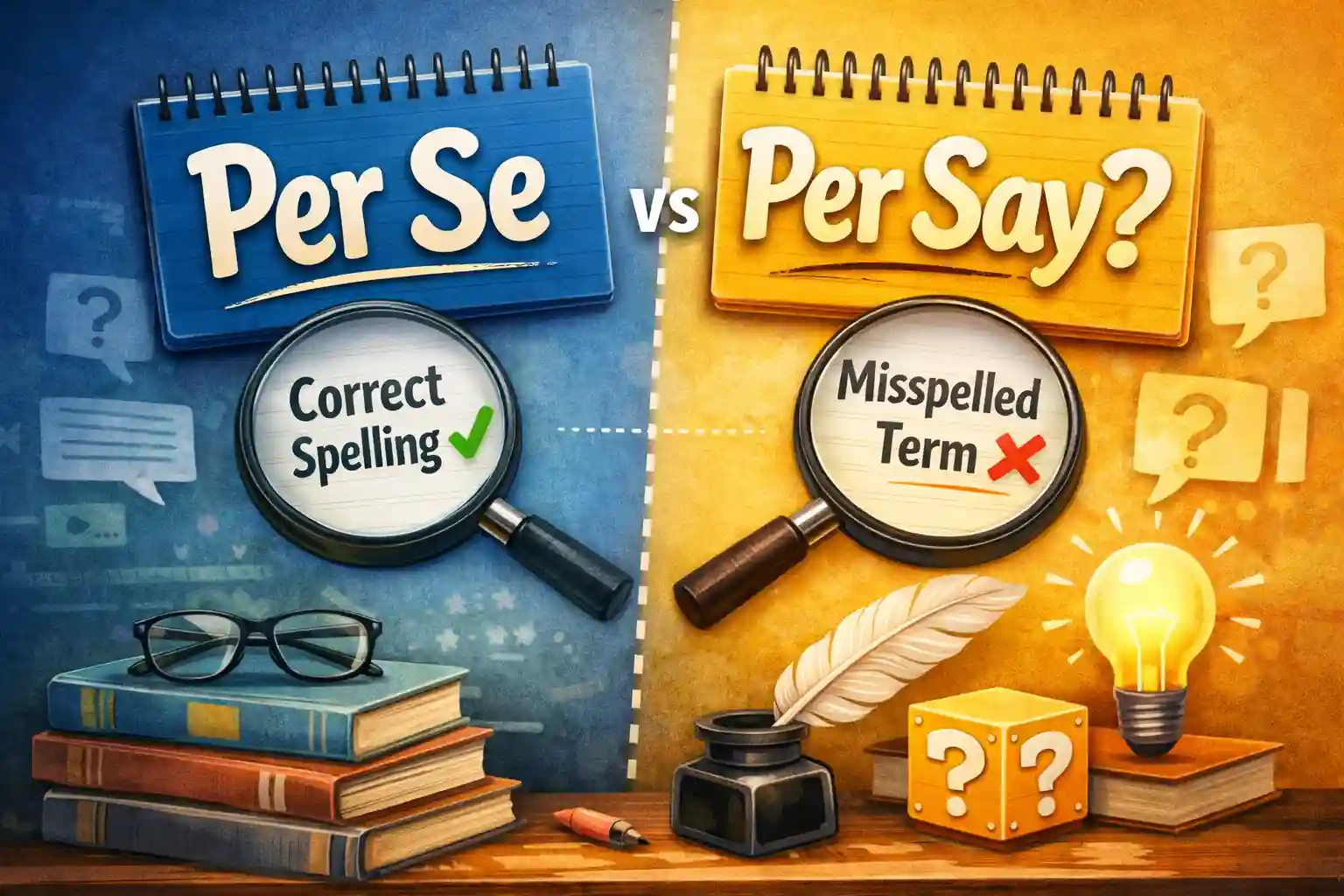
Per Se or Per Say – Correct Usage, Meaning & Examples (2026)

Per Se or Per Say

Many English learners and even native speakers often confuse “per se” and “per say”. This confusion arises because the phrases sound similar when spoken, but only one is correct. Understanding the correct spelling and meaning is essential for professional writing, academic work, and casual communication. In this guide, we’ll break down the difference clearly, provide … Read more