Abley vs Ably – Correct Usage, Meaning & Examples (2026)
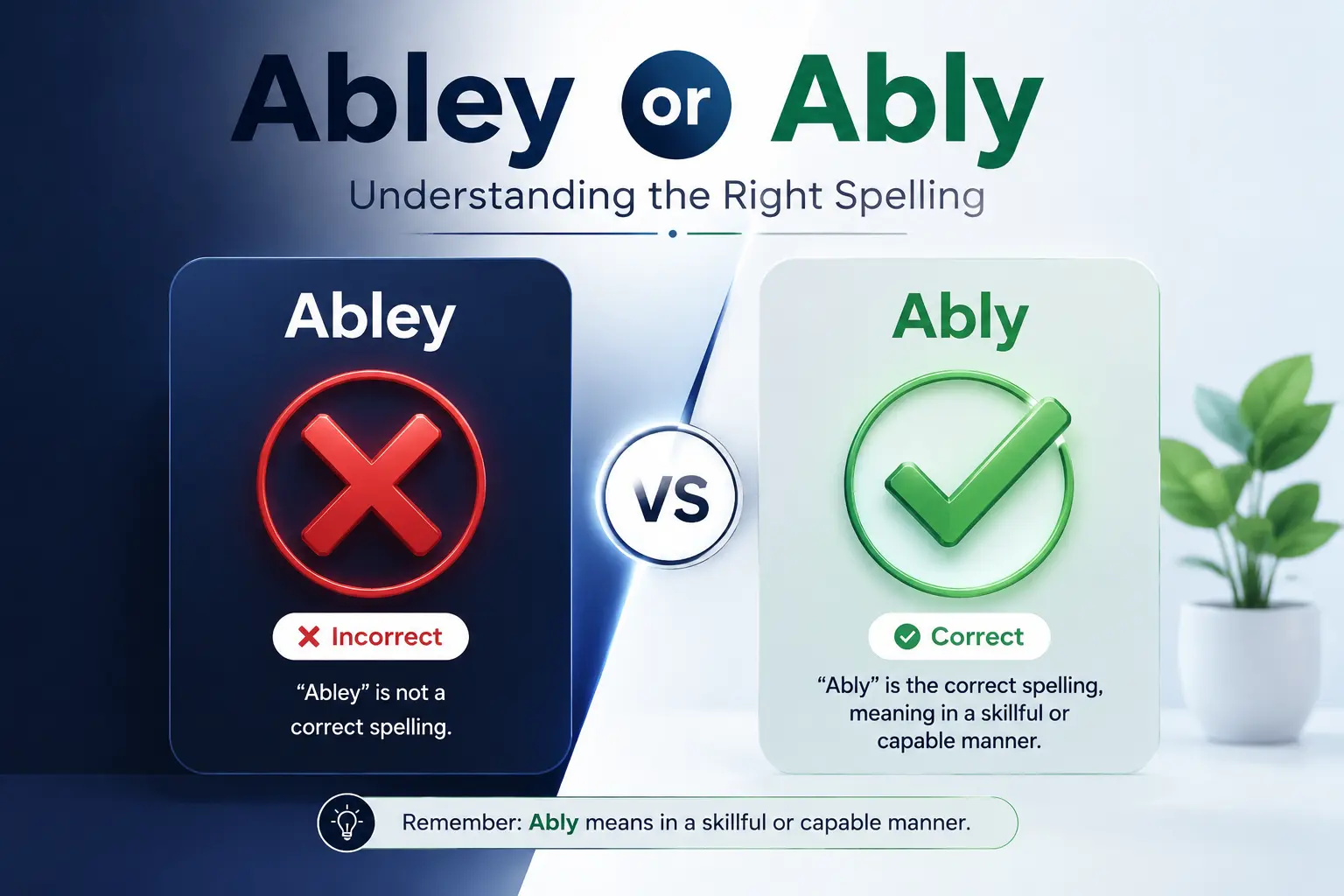
Abley or Ably

When it comes to English spelling, certain words can easily trip up even the most seasoned writers. One such pair is “abley” vs ably. You might have encountered both forms, but which one is correct?  And more importantly, when should you use each one? In this 2026 guide, we’ll break down the difference between “abley” … Read more
Women vs Woman – Correct Usage, Meaning & Examples (2026)

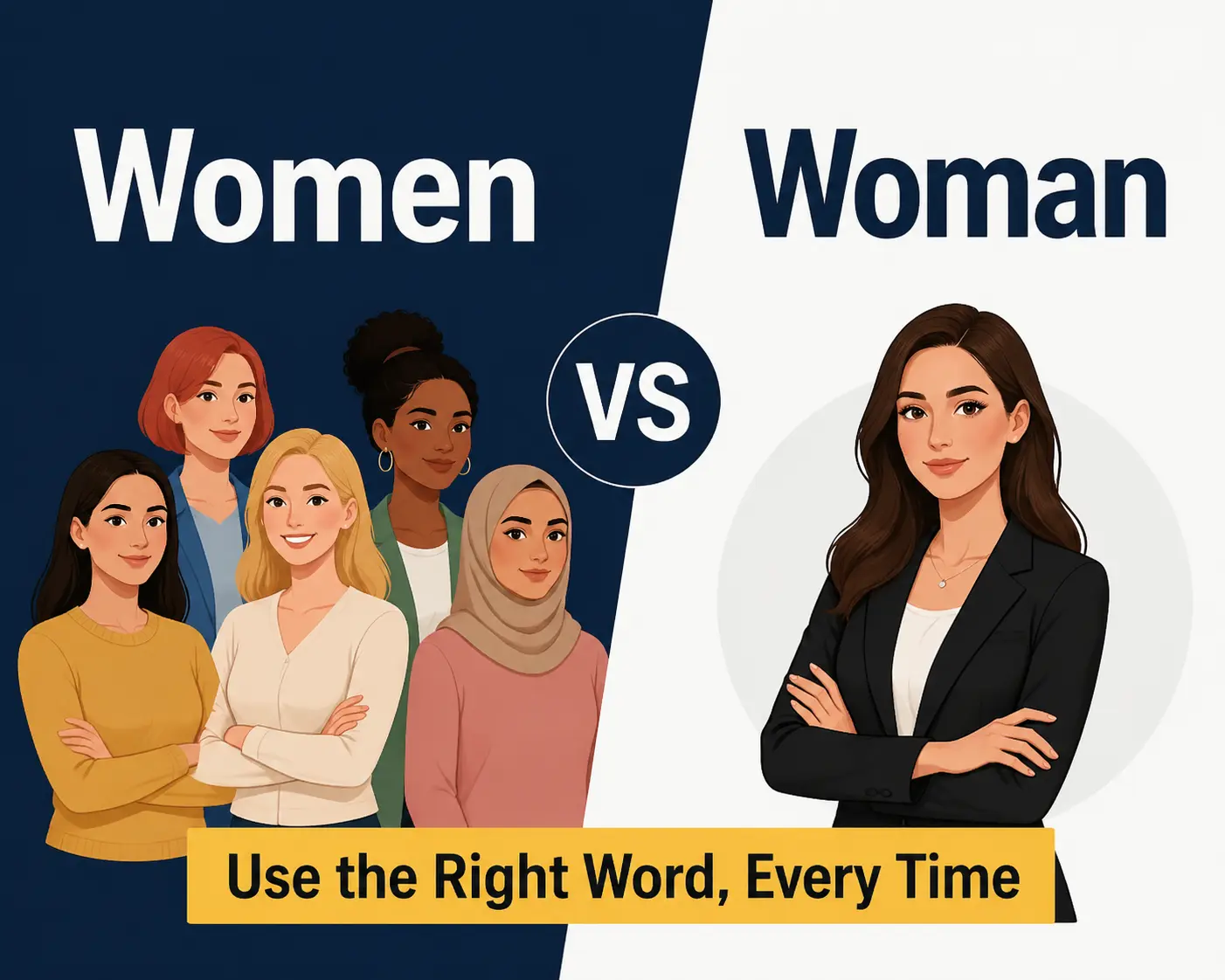
Women or Woman

When it comes to English grammar, few words create as much confusion as women and woman. Though they may seem similar, they are used differently in various contexts. Whether you’re writing an essay, preparing a presentation, or just having a conversation, understanding when to use “women” and “woman” is crucial for clear communication. In this … Read more

Babys vs Babies – Correct Usage, Meaning & Examples (2026)

Babys or Babies

When it comes to pluralizing the word “baby,” confusion often arises between the two variations: babys and babies.  If you’ve ever wondered why one is correct and the other isn’t, you’re not alone. Whether you’re a student, writer, or just someone keen on improving your grammar, getting this right can make a big difference in … Read more

Laying vs Lying – Correct Usage, Meaning & Examples (2026)

Laying or Lying

Laying and lying are two verbs that often confuse even native speakers. The issue arises because both verbs refer to a form of reclining or resting, but they are used in different contexts.  Understanding when to use each word is important for clarity and accuracy in both written and spoken English.  This article will clear … Read more

Practices vs Practises – Correct Spelling, Meaning & Examples (2026)

Practices or Practises

English spelling can often be confusing, especially when it comes to words that seem similar but are used differently based on regional preferences.  One such pair is “practices” and “practises.” These two words are commonly mixed up, but they have distinct uses in English.  In this guide, we’ll break down the difference, clarify their meanings, … Read more

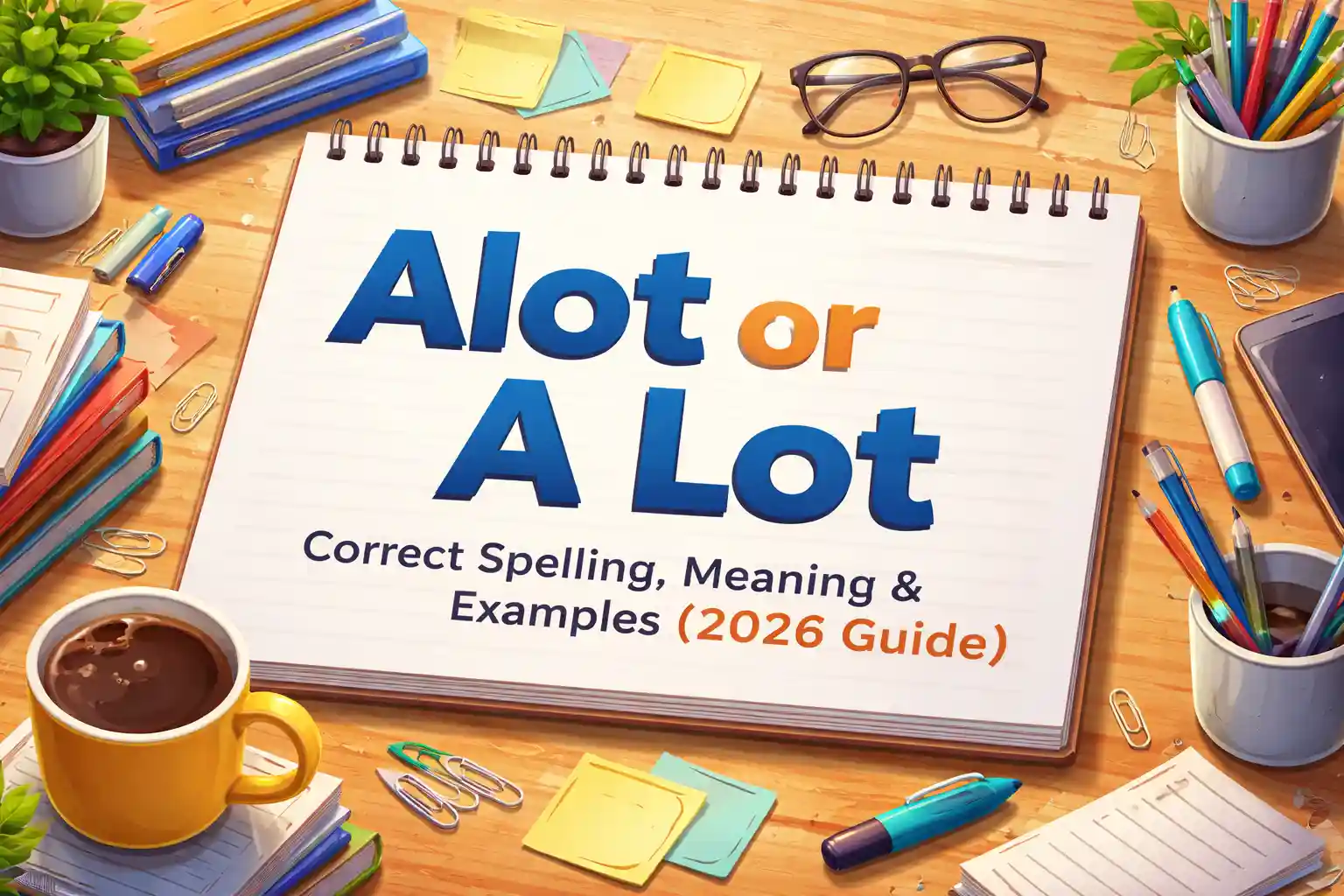
Alot vs A Lot – Correct Usage, Meaning & Examples (2026)

Alot or A Lot

When it comes to writing, one common mistake that confuses many people is choosing between “alot” and “a lot.” Despite its frequent use, “alot” is actually incorrect, while “a lot” is the proper form. This confusion stems from the fact that “alot” has been commonly seen in informal writing and speech. In this guide, we’ll … Read more

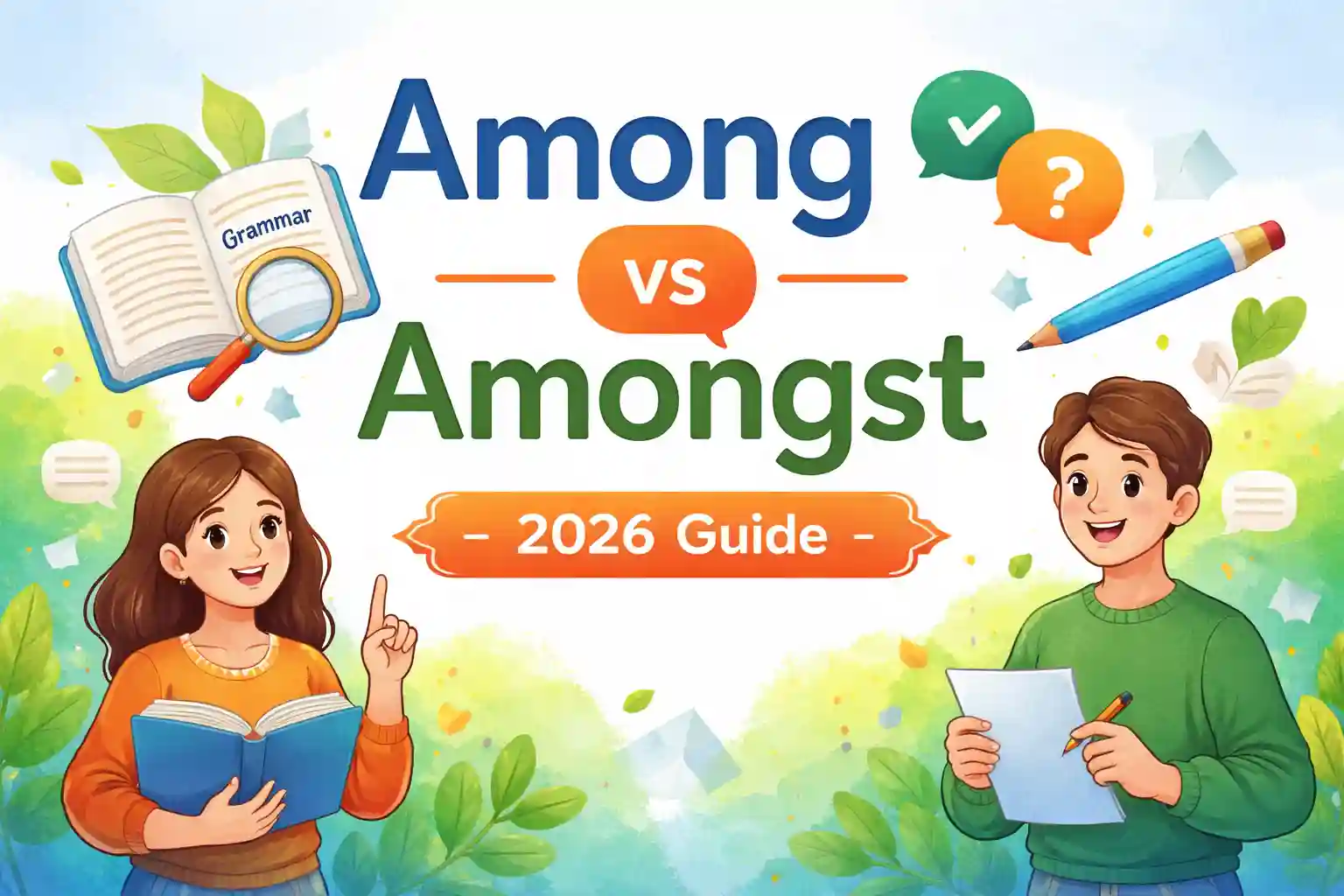
Among vs Amongst – Correct Usage, Meaning & Examples (2026)

Among vs Amongst

When it comes to English grammar, small words can sometimes cause big confusion. One such pair of words is among and amongst. These two words are often used interchangeably, but they aren’t the same. If you’ve ever found yourself questioning whether to use “among” or “amongst,” you’re not alone. In this 2026 guide, we’ll break … Read more

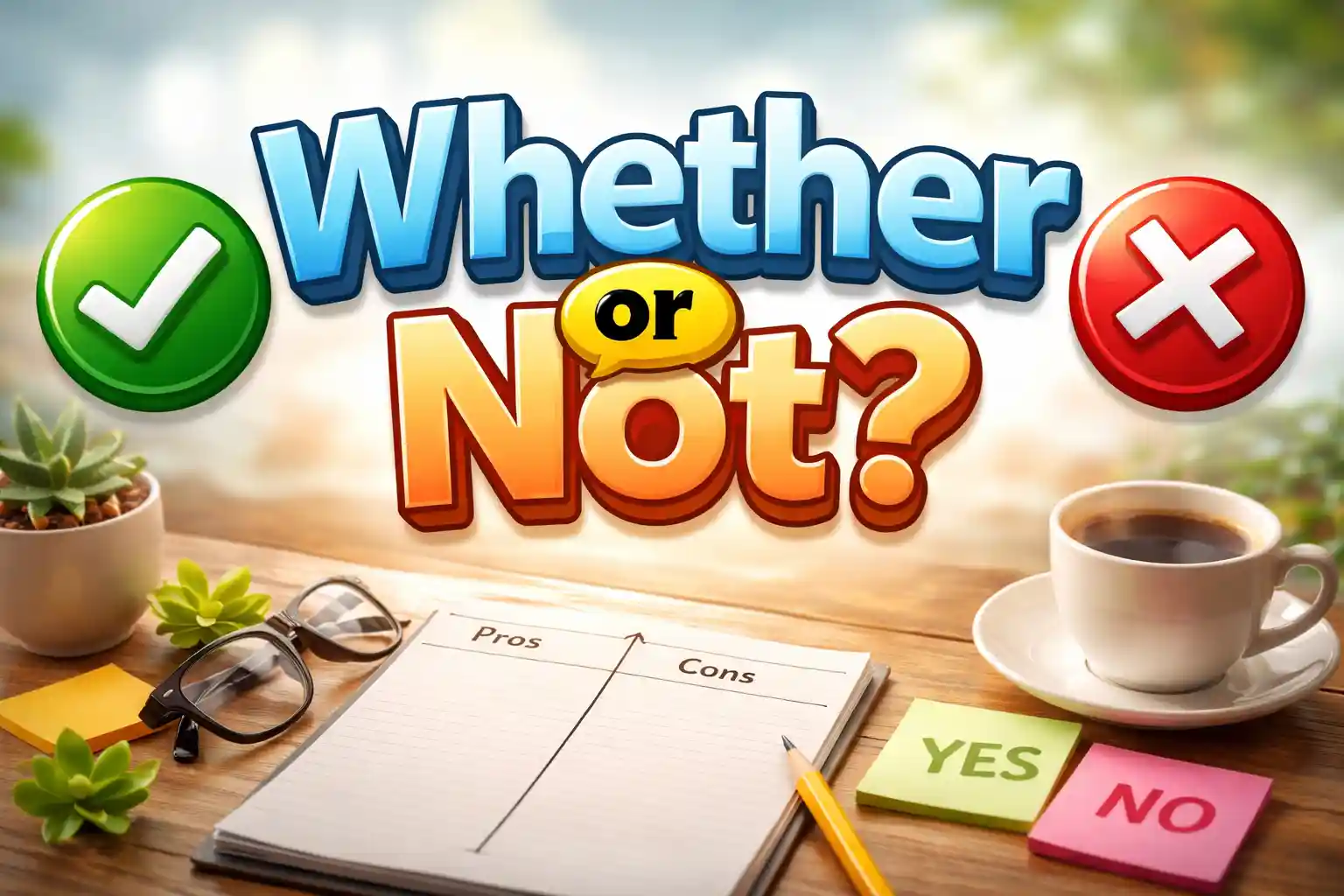
Whether or Not – Meaning, Usage & Grammar Rules (2026)

Whether or Not

One of the most commonly misunderstood phrases in English is “whether or not”. It often confuses both beginners and experienced English speakers. The term seems simple, but it can be tricky when deciding where and how to use it correctly in sentences. Many learners wonder, “Is it just ‘whether’ or do I need to add … Read more

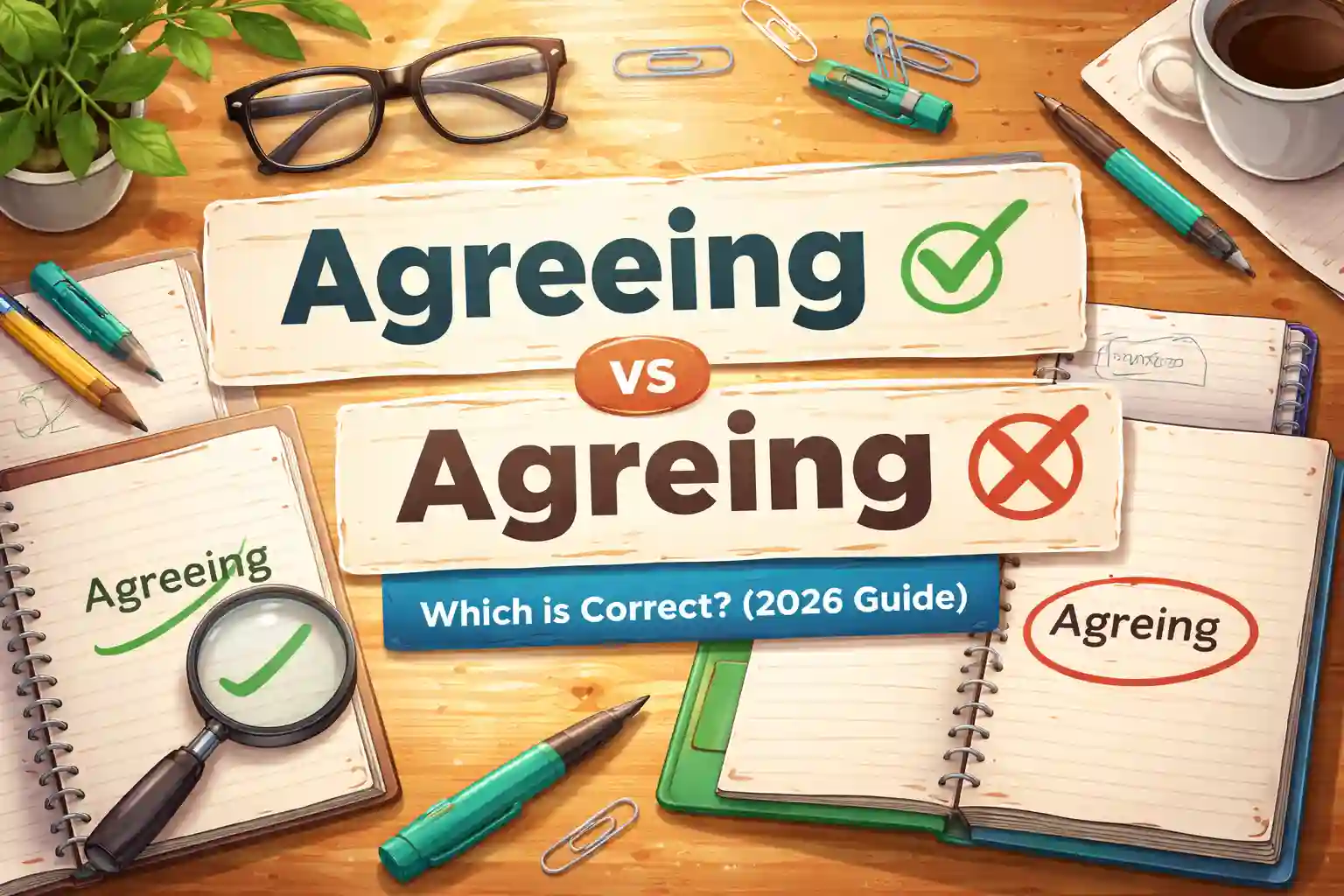
Agreeing vs Agreing – Correct Spelling, Meaning & Examples (2026)

Agreeing vs Agreing

When it comes to English spelling and grammar, small mistakes can make a big difference, and the confusion between agreeing and agreing is a perfect example. While both words look similar, only one of them is correct. If you’ve found yourself unsure about which one to use, you’re not alone! Many people get caught in … Read more

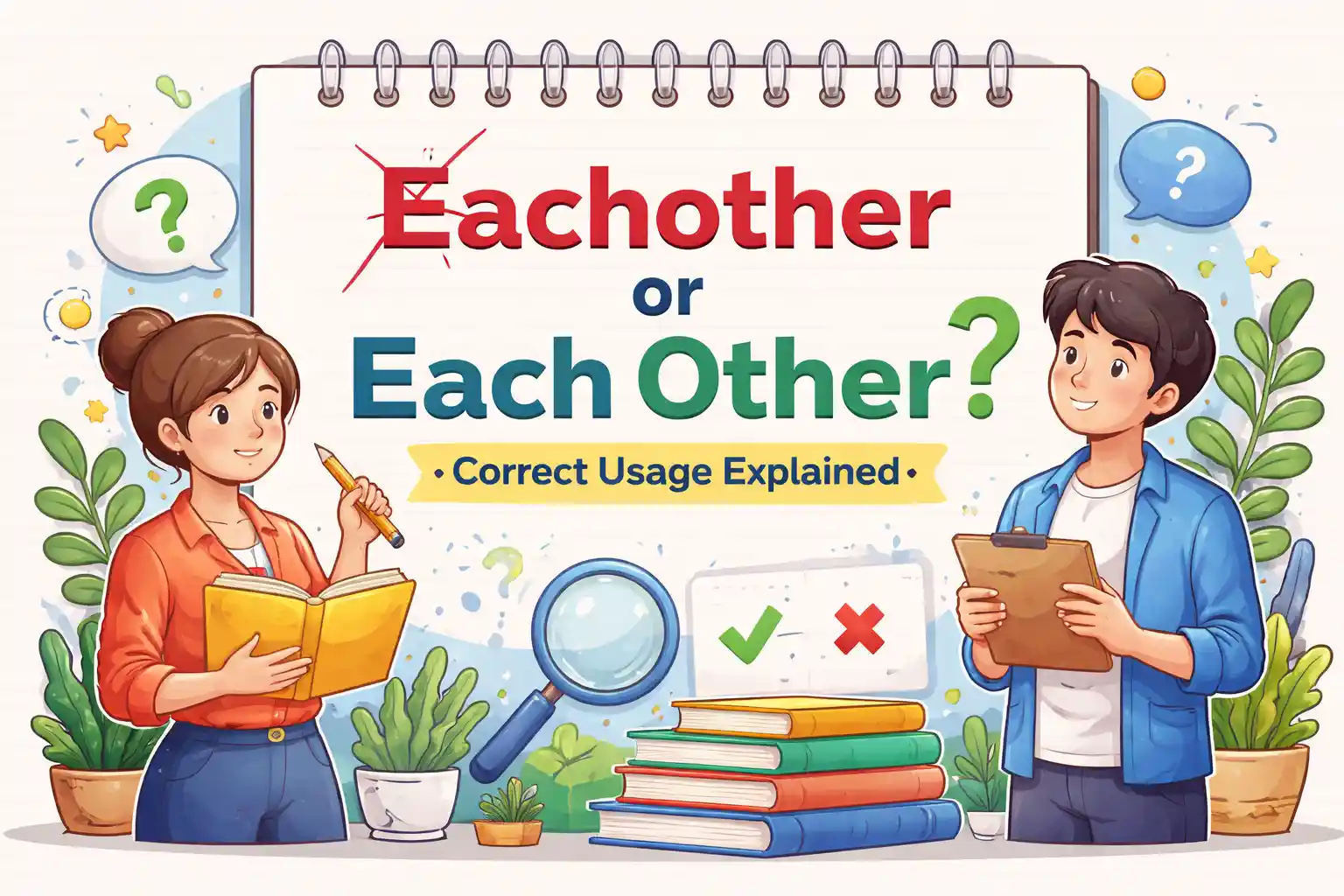
Eachother or Each Other – Which is Correct? (2026)

Eachother or Each Other

English grammar can be tricky, especially when it comes to common phrases that look similar but are used differently. One such case is the confusion between “eachother” and “each other.” Many people mistakenly use “eachother” as one word, but the correct form is actually “each other.”  Understanding the proper usage of these words will not … Read more