Combatting vs Combating – Correct Usage, Meaning & Examples (2026)
Combatting or Combating

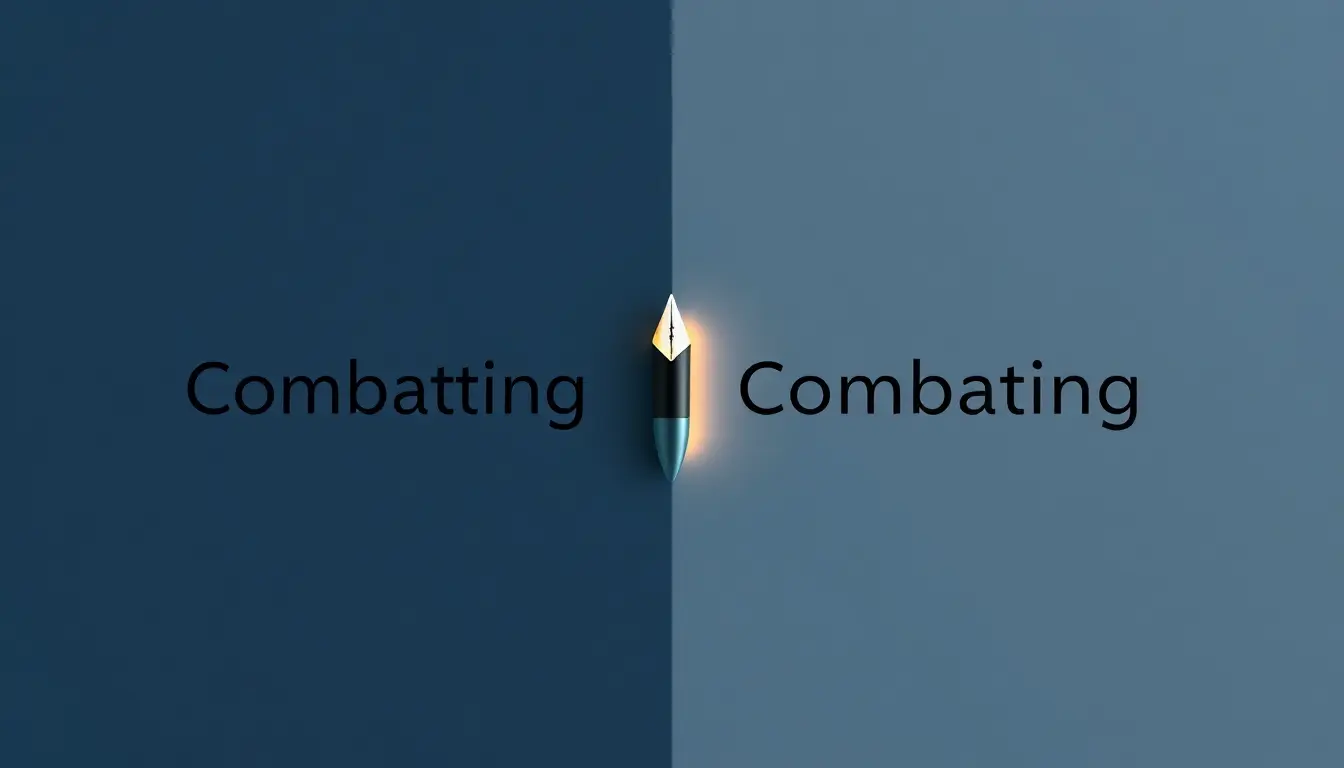
When it comes to grammar, even small differences in word usage can trip us up. A prime example is “combatting” vs combating-two words that seem similar but can leave writers second-guessing. Should you use combatting or combating?  This is a question that comes up often, and it’s important to understand the correct way to use … Read more

Heroes Not Heros – Correct Usage, Meaning & Examples (2026)

Heroes Not Heros

Have you ever written “heros” instead of “heroes”? You’re not alone. Many people confuse these two words, but getting them right is important for clear communication and professionalism. Whether you’re writing an essay, email, or even a social media post, the difference between “heroes” and “heros” can make a big impact. In this guide, we’ll … Read more

Premise vs Premises – Correct Usage, Meaning & Examples (2026)

Premise or Premises

When it comes to English grammar, many words seem similar but are used in different contexts. “Premise” and “premises” are two such words that often confuse even native speakers.  Whether you’re writing a professional document or crafting an academic essay, understanding the correct usage of these two terms is crucial for clarity and accuracy. In … Read more

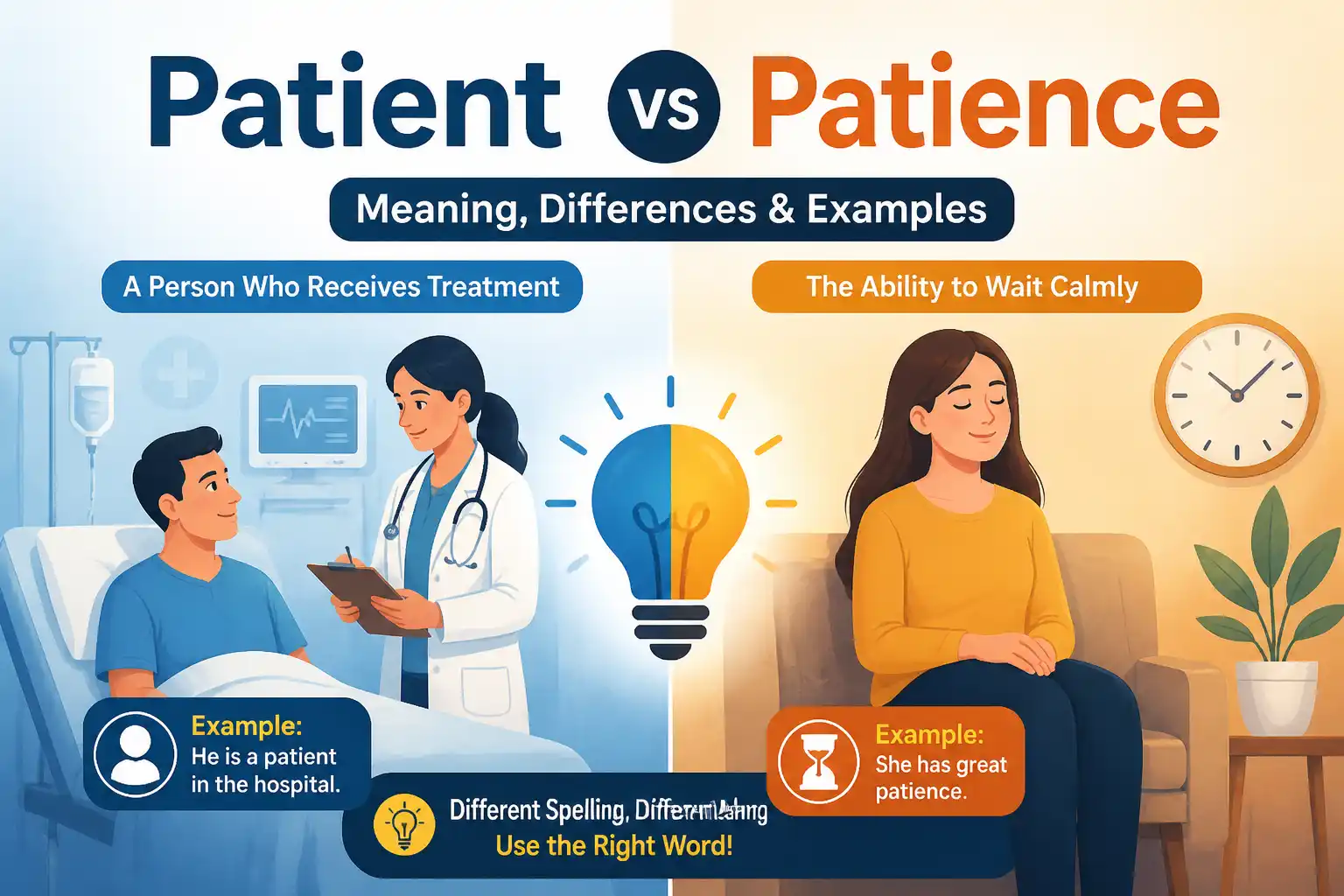
Patient vs Patience – Key Differences, Examples & Grammar Rules (2026)

Patient vs Patience

When it comes to understanding English vocabulary, patient and patience are often confused, even by native speakers. The difference is subtle yet important, and mastering these two words will enhance both your written and spoken communication. In this guide, we’ll break down their meanings, usage, and grammar rules, ensuring that you never mix them up … Read more

Payed vs Paid – Correct Usage, Meaning & Examples (2026)

Payed or Paid

The confusion between “payed” and “paid” is something that even experienced writers and speakers struggle with.  Have you ever wondered whether to use “payed” or “paid”? It’s a common mistake, but the difference is actually quite simple once you understand the rules. In this guide, we’ll clear up the confusion once and for all. By … Read more

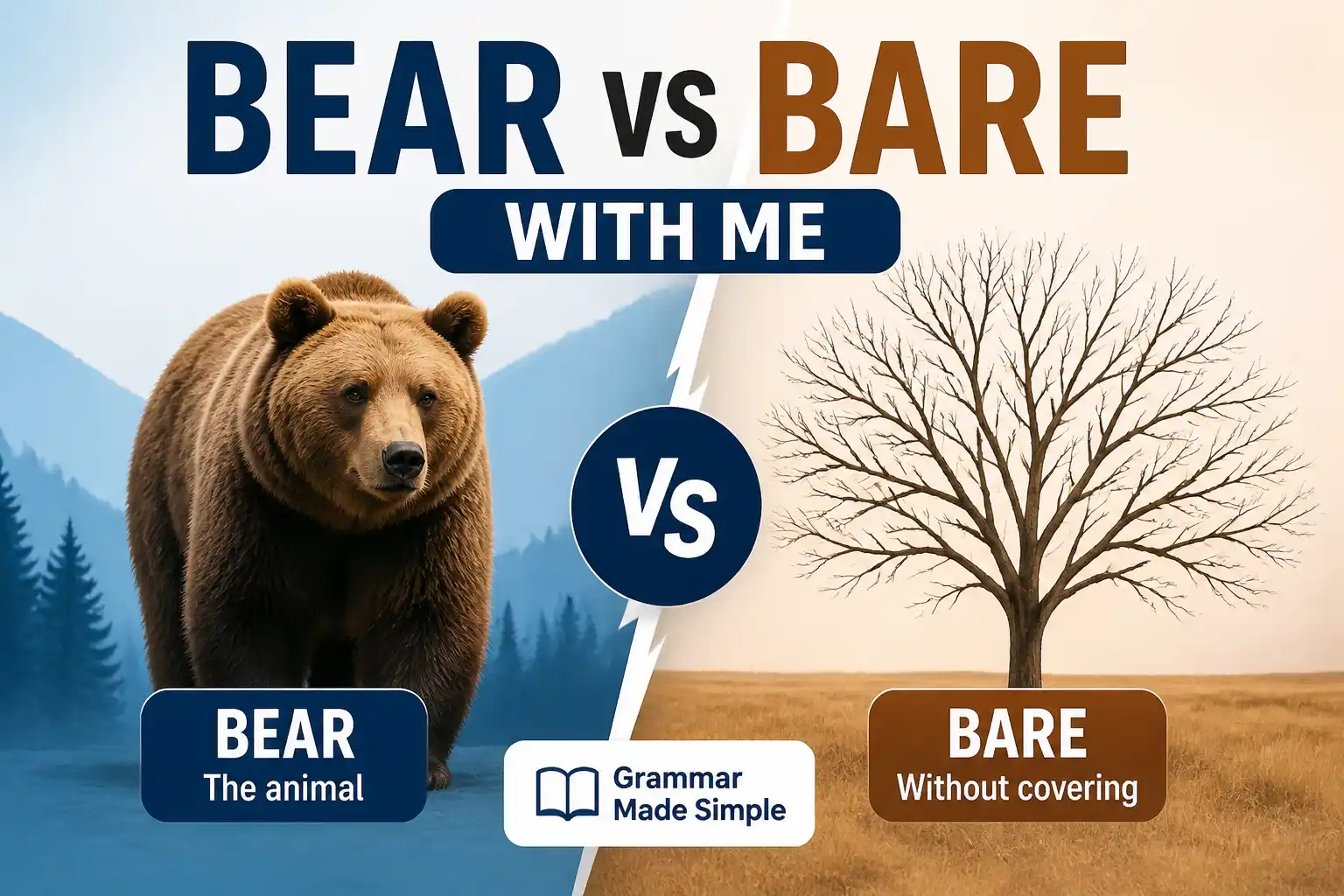
Bear vs Bare With Me – Correct Usage, Meaning & Examples (2026)

Bear vs Bare With Me

In the English language, small differences in spelling can lead to big confusion, especially when it comes to homophones. One such pair is “bear” and “bare,” especially when followed by “with me.”  Understanding how to use these words correctly can make a significant difference in your communication skills.  This guide will help you confidently distinguish … Read more

Better Then or Than – Correct Usage, Meaning & Examples (2026)

Better Then or Than

Have you ever wondered whether to use “better then” or “better than“? This common grammar confusion can easily trip up even seasoned writers.  Understanding the difference between these two words is crucial for writing clear, accurate English.  Let’s dive into the nuances of their meanings, usage, and how to avoid common mistakes. Quick Answer Comparison … Read more

Onto vs Into – Correct Usage, Meaning & Examples (2026)

Onto or Into

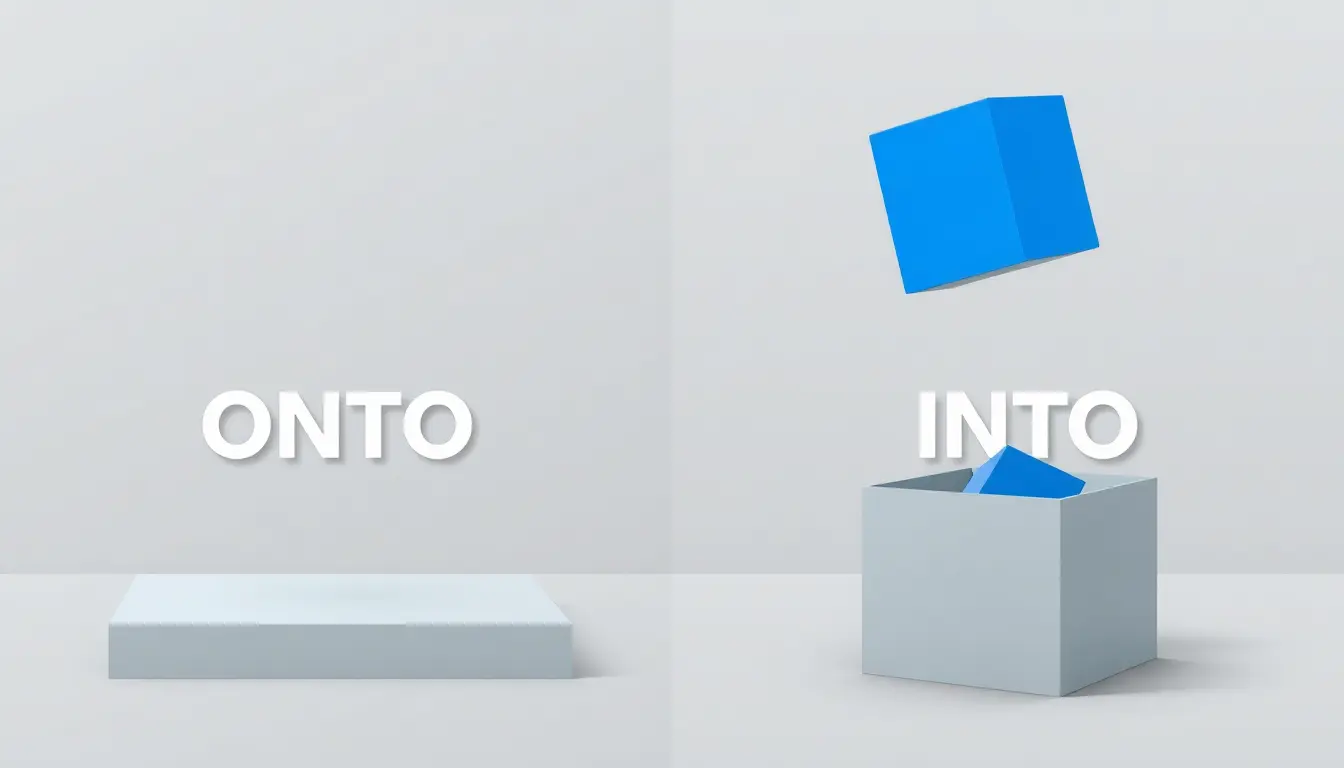
When it comes to prepositions in English, few can be as confusing as “onto” and “into.” These two words are often used interchangeably, but there’s a significant difference between them.  Whether you’re writing an essay, sending an email, or speaking casually, getting these prepositions right can make a big difference in how clear and precise … Read more

And vs But – Correct Usage, Meaning & Examples (2026)

And or But

When writing or speaking, “and” and “but” are two of the most common conjunctions in the English language.  But how do you know when to use which one? Understanding the distinction between these two simple words can greatly improve the clarity of your communication.  In this article, we’ll explore the differences between “and” and “but,” … Read more

Women vs Woman – Correct Usage, Meaning & Examples (2026)

Women or Woman

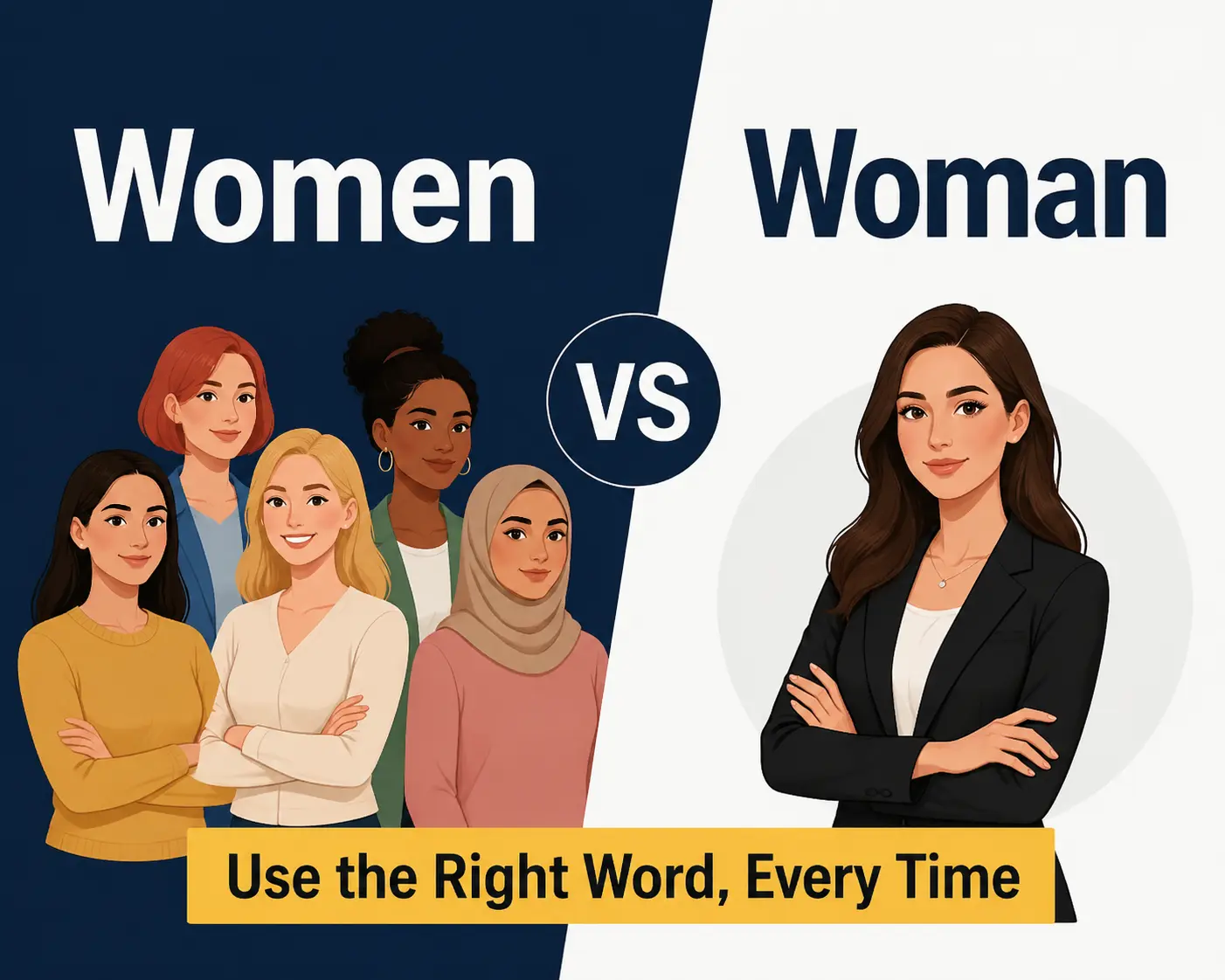
When it comes to English grammar, few words create as much confusion as women and woman. Though they may seem similar, they are used differently in various contexts. Whether you’re writing an essay, preparing a presentation, or just having a conversation, understanding when to use “women” and “woman” is crucial for clear communication. In this … Read more