Fourth vs Forth – Correct Usage, Meaning & Examples (2026)

Fourth vs Forth

The words “fourth” and “forth” are often misused because of their similarity in sound and appearance. However, they are distinct in both their meanings and grammatical functions.  “Fourth” is an ordinal number used to describe position in a sequence, while “forth” is a directional adverb that means “forward” or “outward.” These subtle differences can trip … Read more


Laying vs Lying – Correct Usage, Meaning & Examples (2026)

Laying or Lying

Laying and lying are two verbs that often confuse even native speakers. The issue arises because both verbs refer to a form of reclining or resting, but they are used in different contexts.  Understanding when to use each word is important for clarity and accuracy in both written and spoken English.  This article will clear … Read more

Practices vs Practises – Correct Spelling, Meaning & Examples (2026)

Practices or Practises

English spelling can often be confusing, especially when it comes to words that seem similar but are used differently based on regional preferences.  One such pair is “practices” and “practises.” These two words are commonly mixed up, but they have distinct uses in English.  In this guide, we’ll break down the difference, clarify their meanings, … Read more

Relieving vs Reliving – Difference, Meaning & Examples (2026)

Relieving vs Reliving

Understanding the difference between relieving and reliving can be confusing for many people.  While they sound similar, their meanings and uses are entirely different.  This guide will help you clarify the distinction between these two words with examples, grammar rules, and tips for remembering the difference. Quick Answer Comparison Table Word Correct or Incorrect Meaning … Read more

Life vs Lives – Correct Usage, Meaning & Examples (2026)

Life or Lives

The confusion between “life” and “lives” stems from the fact that they are both nouns referring to existence, but they have different grammatical rules.  “Life” is used when referring to the existence of a single person, animal, or thing, while “lives” is the plural form of “life” and refers to multiple existences or lifetimes. Let’s … Read more

Alot vs A Lot – Correct Usage, Meaning & Examples (2026)

Alot or A Lot

When it comes to writing, one common mistake that confuses many people is choosing between “alot” and “a lot.” Despite its frequent use, “alot” is actually incorrect, while “a lot” is the proper form. This confusion stems from the fact that “alot” has been commonly seen in informal writing and speech. In this guide, we’ll … Read more

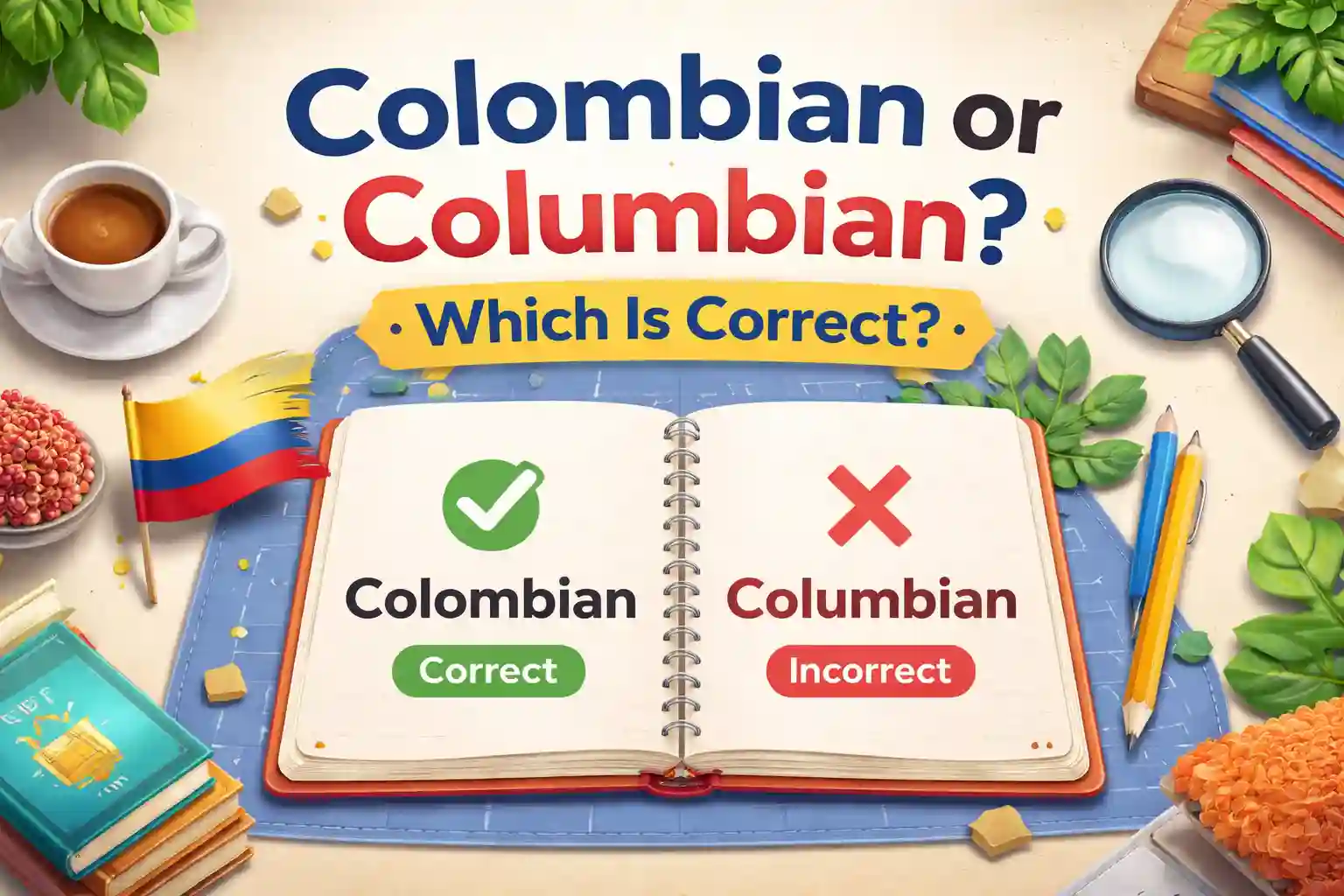
Colombian vs Columbian – Correct Spelling, Meaning & Examples (2026)

Colombian or Columbian

Many English learners and even native speakers confuse the words Colombian and Columbian. These terms, though they sound similar, have different meanings and uses.  The confusion often arises from their similar spellings and pronunciation, but a deeper understanding of their origins and usage rules can help you make the right choice in writing and speaking.  … Read more

Whether or Not – Meaning, Usage & Grammar Rules (2026)

Whether or Not

One of the most commonly misunderstood phrases in English is “whether or not”. It often confuses both beginners and experienced English speakers. The term seems simple, but it can be tricky when deciding where and how to use it correctly in sentences. Many learners wonder, “Is it just ‘whether’ or do I need to add … Read more

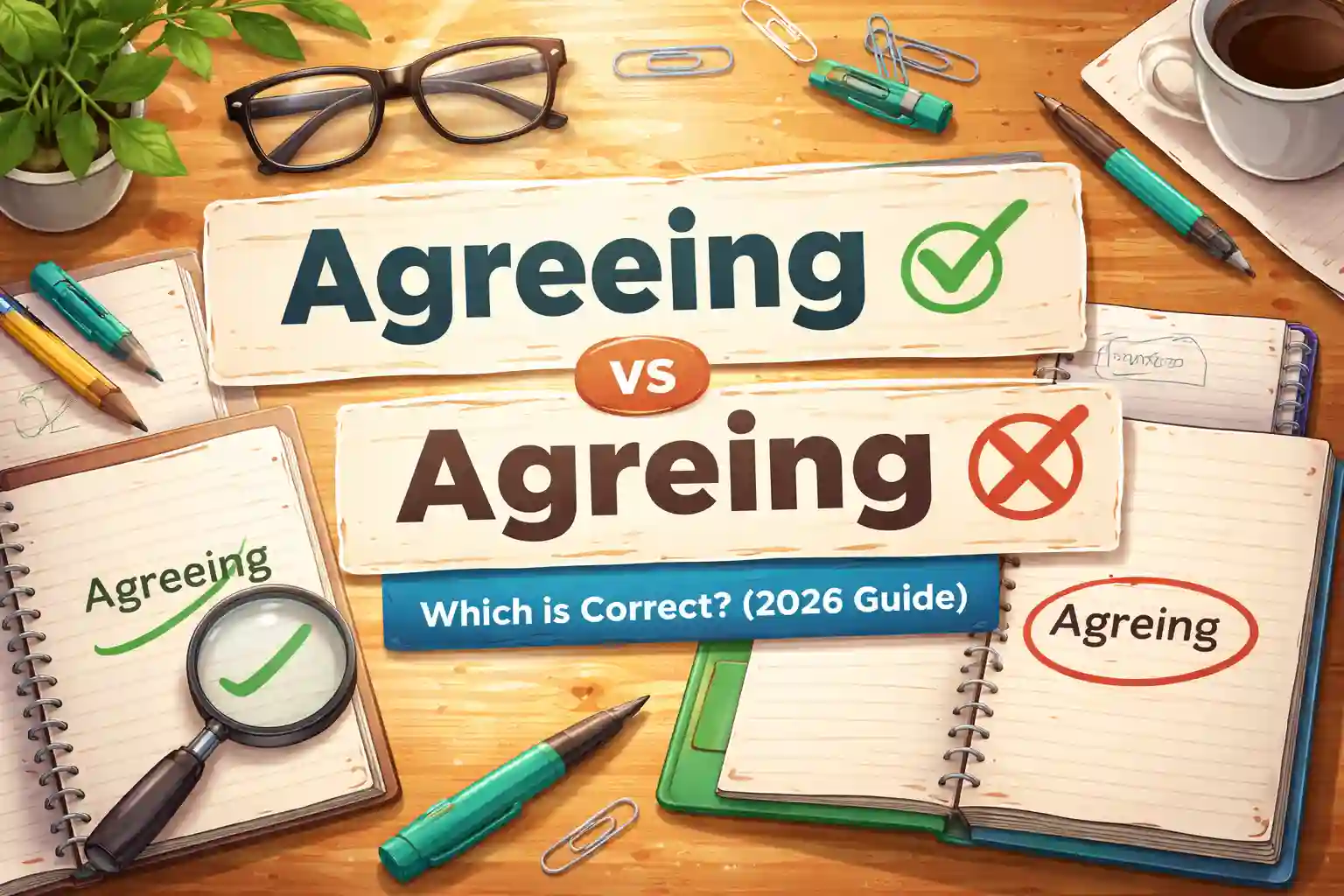
Agreeing vs Agreing – Correct Spelling, Meaning & Examples (2026)

Agreeing vs Agreing

When it comes to English spelling and grammar, small mistakes can make a big difference, and the confusion between agreeing and agreing is a perfect example. While both words look similar, only one of them is correct. If you’ve found yourself unsure about which one to use, you’re not alone! Many people get caught in … Read more

Natzi vs Nazi – Correct Usage, Meaning & Differences (2026)

Confused about whether it’s “natzi” or “nazi”? You’re not alone. While both words are often mistakenly used interchangeably, they have significant differences in meaning and usage.  Understanding these differences is essential for accurate writing and clear communication. Whether you’re a student, professional, or language enthusiast, mastering this distinction can elevate your grammar skills.  In this … Read more