Cringy vs Cringey – Which One is Correct? (2026)
Cringy or Cringey

When it comes to writing and speaking, the terms cringy and cringey often cause confusion. Both words describe something that causes discomfort or embarrassment, but which one is the correct term?  If you’ve found yourself unsure about whether to use “cringy” or “cringey,” you’re not alone. In this article, we’ll clear up the confusion once … Read more
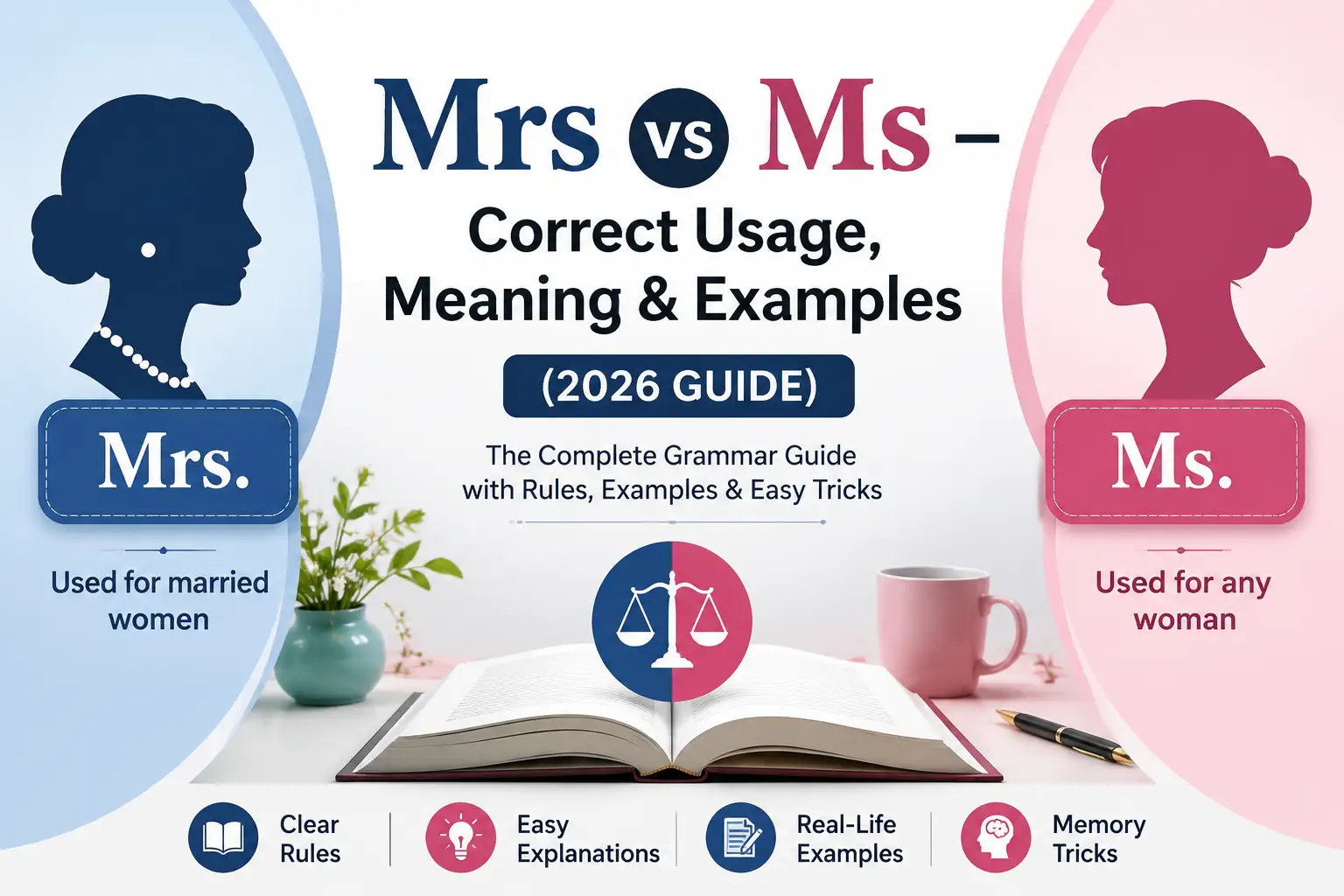
Mrs vs Ms – What’s the Difference? Explained (2026)

Mrs vs Ms

The English language can sometimes be confusing, especially when it comes to titles. One common question that many people ask is: What’s the difference between “Mrs” and “Ms”?  Whether you’re writing a formal letter, addressing a woman professionally, or simply curious, understanding the difference is important for clear and respectful communication. In this guide, we’ll … Read more

Abley vs Ably – Correct Usage, Meaning & Examples (2026)

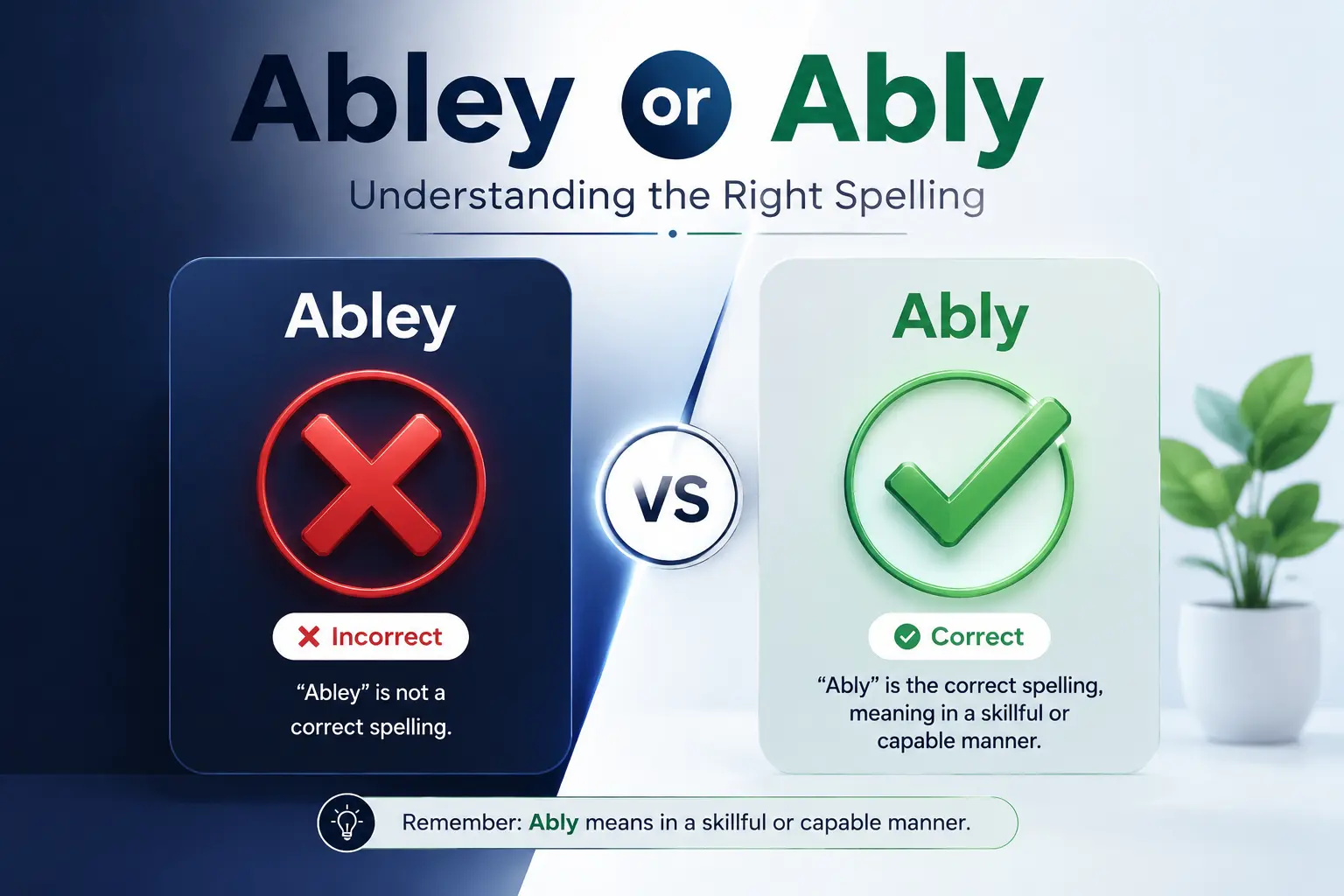
Abley or Ably

When it comes to English spelling, certain words can easily trip up even the most seasoned writers. One such pair is “abley” vs ably. You might have encountered both forms, but which one is correct?  And more importantly, when should you use each one? In this 2026 guide, we’ll break down the difference between “abley” … Read more

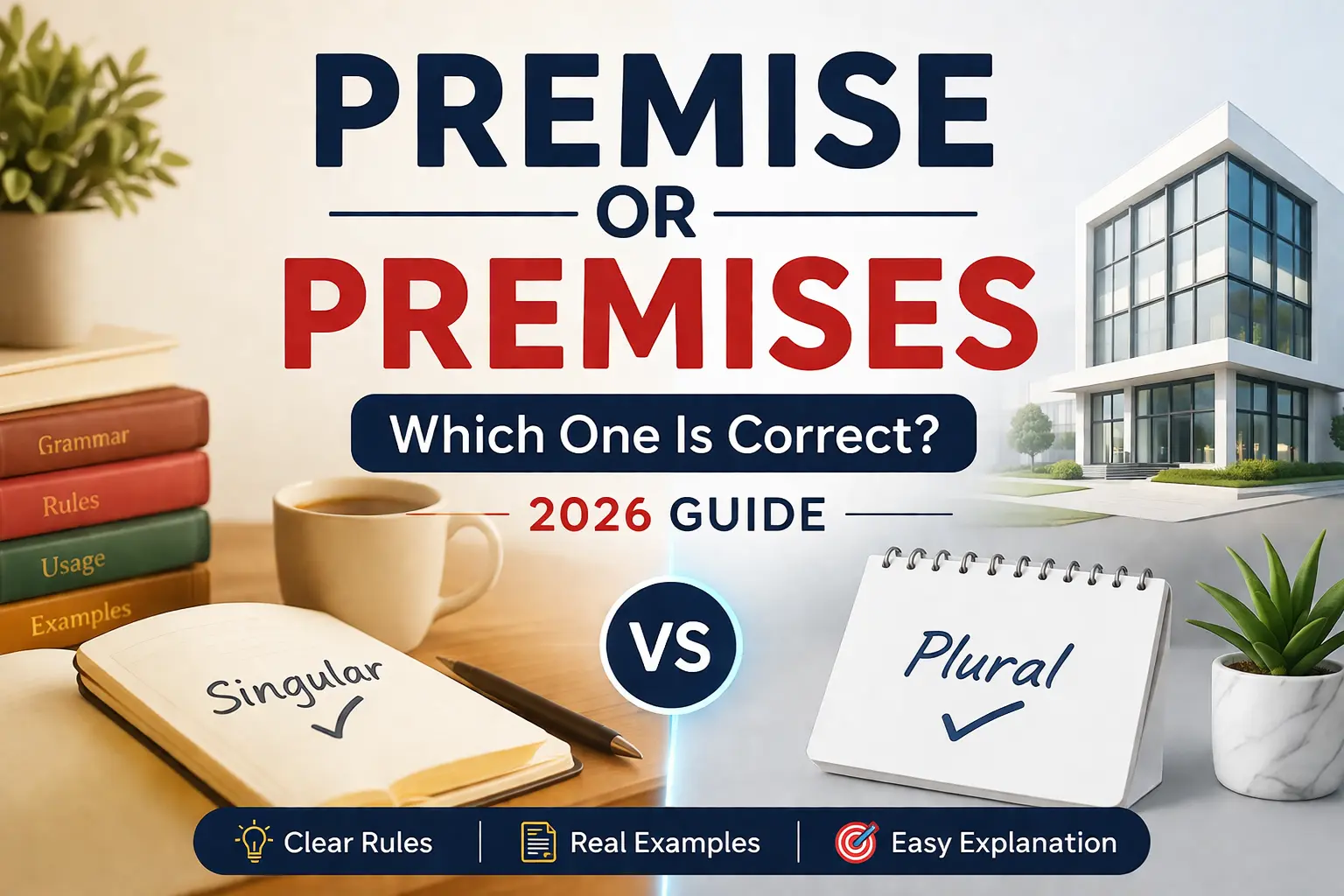
Premise vs Premises – Correct Usage, Meaning & Examples (2026)

Premise or Premises

When it comes to English grammar, many words seem similar but are used in different contexts. “Premise” and “premises” are two such words that often confuse even native speakers.  Whether you’re writing a professional document or crafting an academic essay, understanding the correct usage of these two terms is crucial for clarity and accuracy. In … Read more

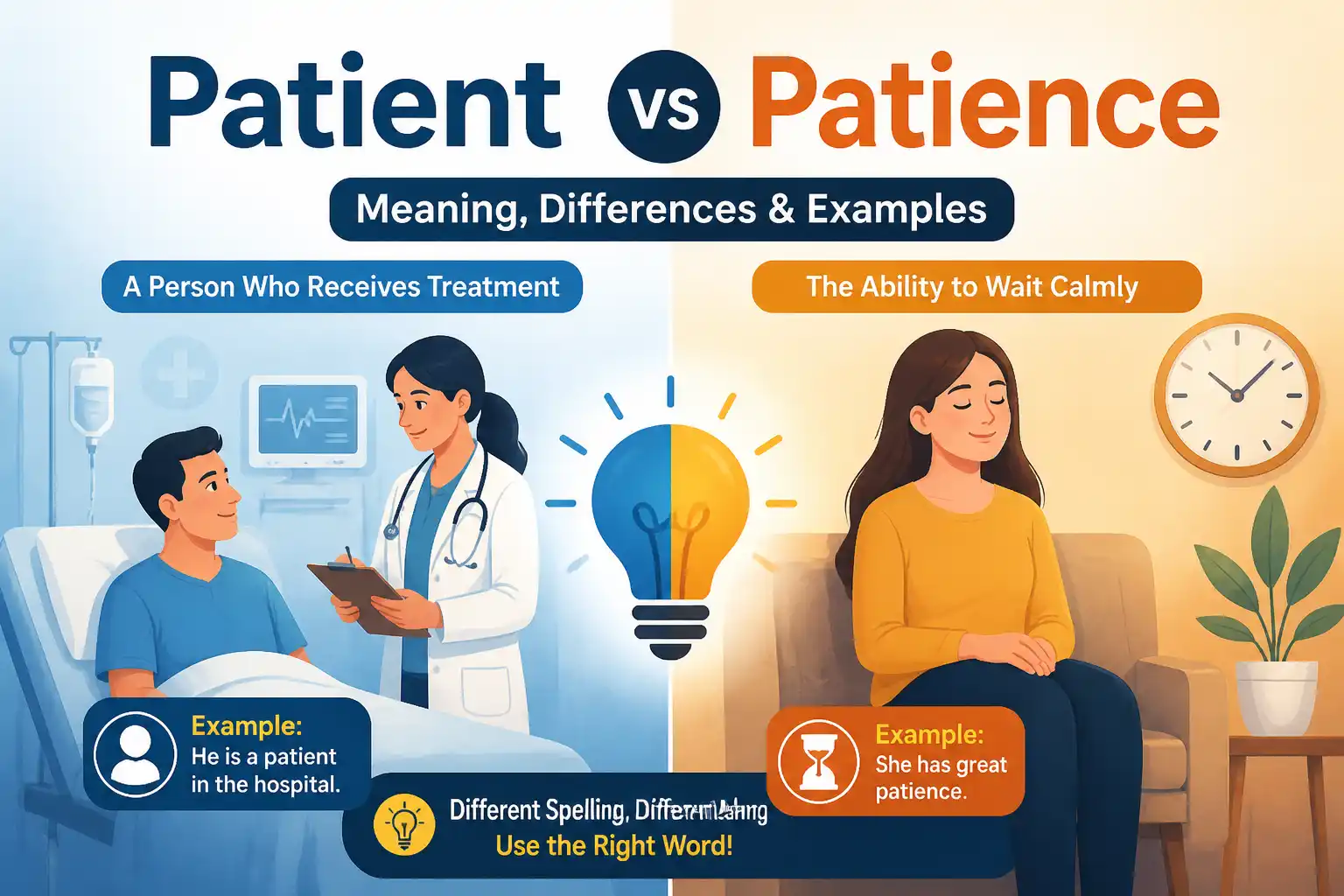
Patient vs Patience – Key Differences, Examples & Grammar Rules (2026)

Patient vs Patience

When it comes to understanding English vocabulary, patient and patience are often confused, even by native speakers. The difference is subtle yet important, and mastering these two words will enhance both your written and spoken communication. In this guide, we’ll break down their meanings, usage, and grammar rules, ensuring that you never mix them up … Read more

Fourth vs Forth – Correct Usage, Meaning & Examples (2026)

Fourth vs Forth

The words “fourth” and “forth” are often misused because of their similarity in sound and appearance. However, they are distinct in both their meanings and grammatical functions.  “Fourth” is an ordinal number used to describe position in a sequence, while “forth” is a directional adverb that means “forward” or “outward.” These subtle differences can trip … Read more

Laying vs Lying – Correct Usage, Meaning & Examples (2026)

Laying or Lying

Laying and lying are two verbs that often confuse even native speakers. The issue arises because both verbs refer to a form of reclining or resting, but they are used in different contexts.  Understanding when to use each word is important for clarity and accuracy in both written and spoken English.  This article will clear … Read more

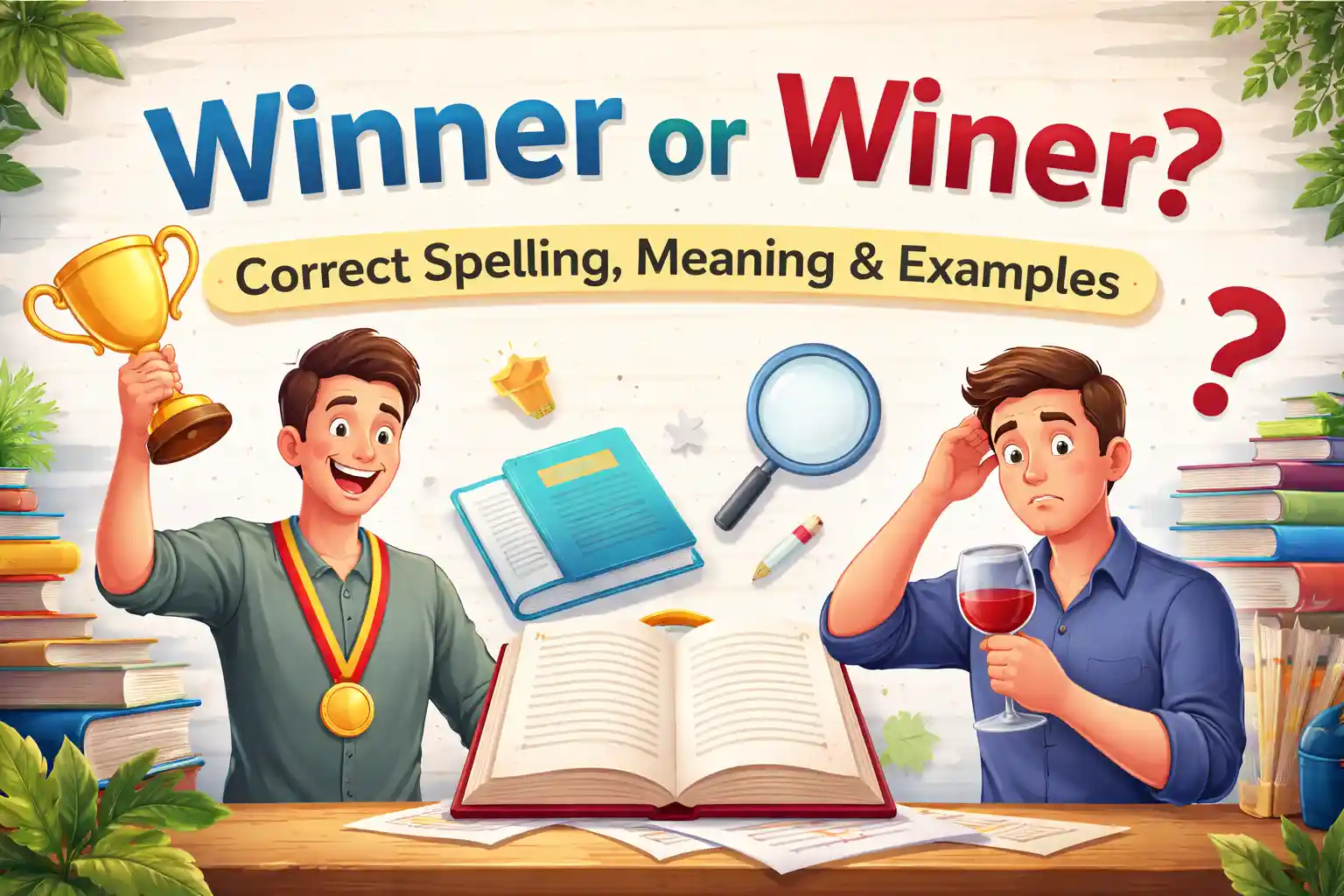
Winner vs Winer – Correct Spelling, Meaning & Examples (2026 Guide)

Winner or Winer

The words “winner” and “winer” may sound similar, but they have very different meanings and uses in English.  People often mix them up because of their close pronunciation, but understanding the difference is crucial for clear communication. “Winner” is a common word, whereas “winer” is an uncommon and rarely used term. However, it’s still important … Read more

Whether or Not – Meaning, Usage & Grammar Rules (2026)

Whether or Not

One of the most commonly misunderstood phrases in English is “whether or not”. It often confuses both beginners and experienced English speakers. The term seems simple, but it can be tricky when deciding where and how to use it correctly in sentences. Many learners wonder, “Is it just ‘whether’ or do I need to add … Read more