A Hour or An Hour – Correct Usage, Grammar & Examples (2026 Guide)
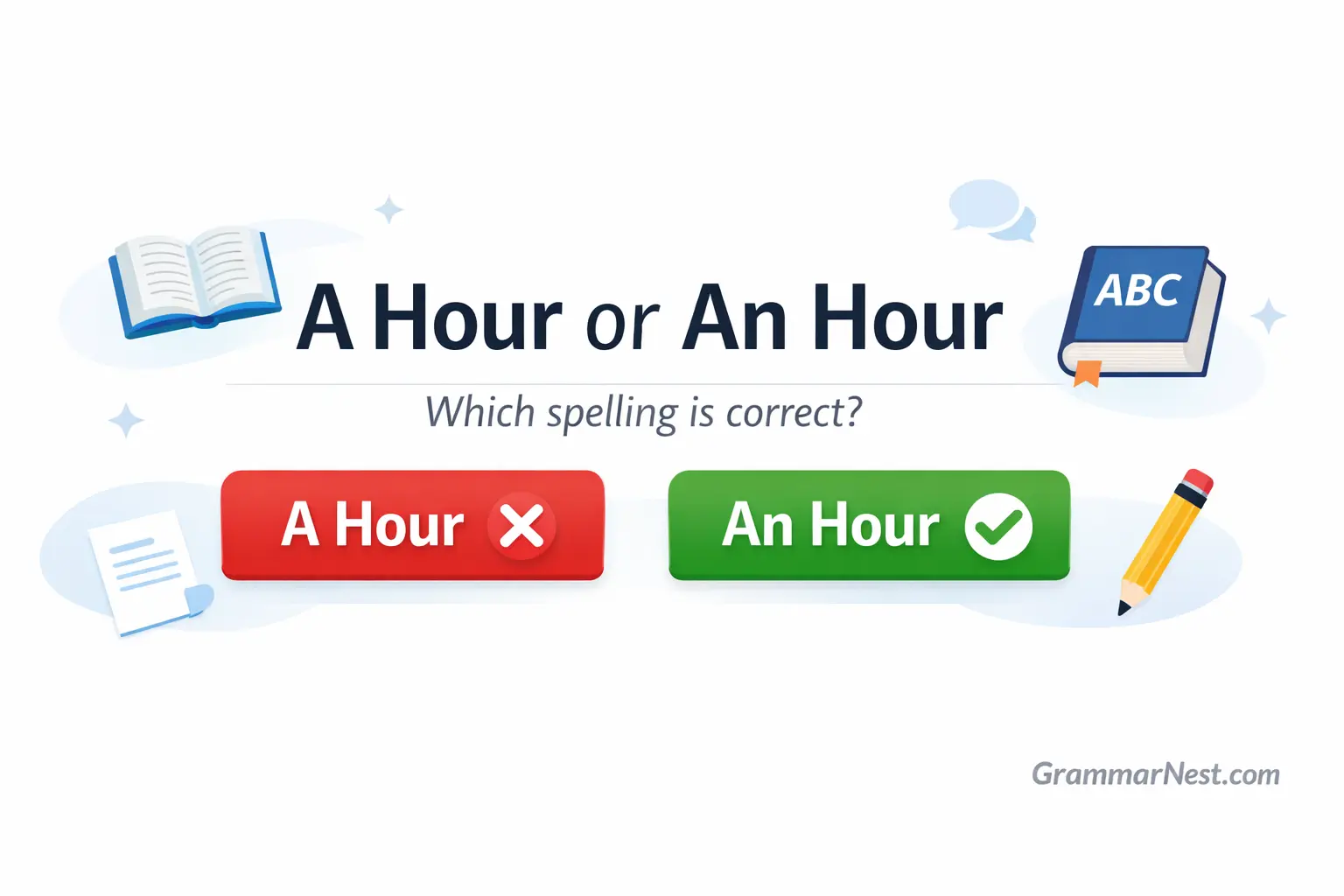
A Hour or An Hour

Many English learners and even native speakers often stumble over “a hour” and “an hour.” At first glance, it might seem simple-just choose one article-but there’s a subtle grammar rule that can make the difference between correct and incorrect usage.  Understanding this will improve your writing, speaking, and exam performance. In this guide, we’ll break … Read more
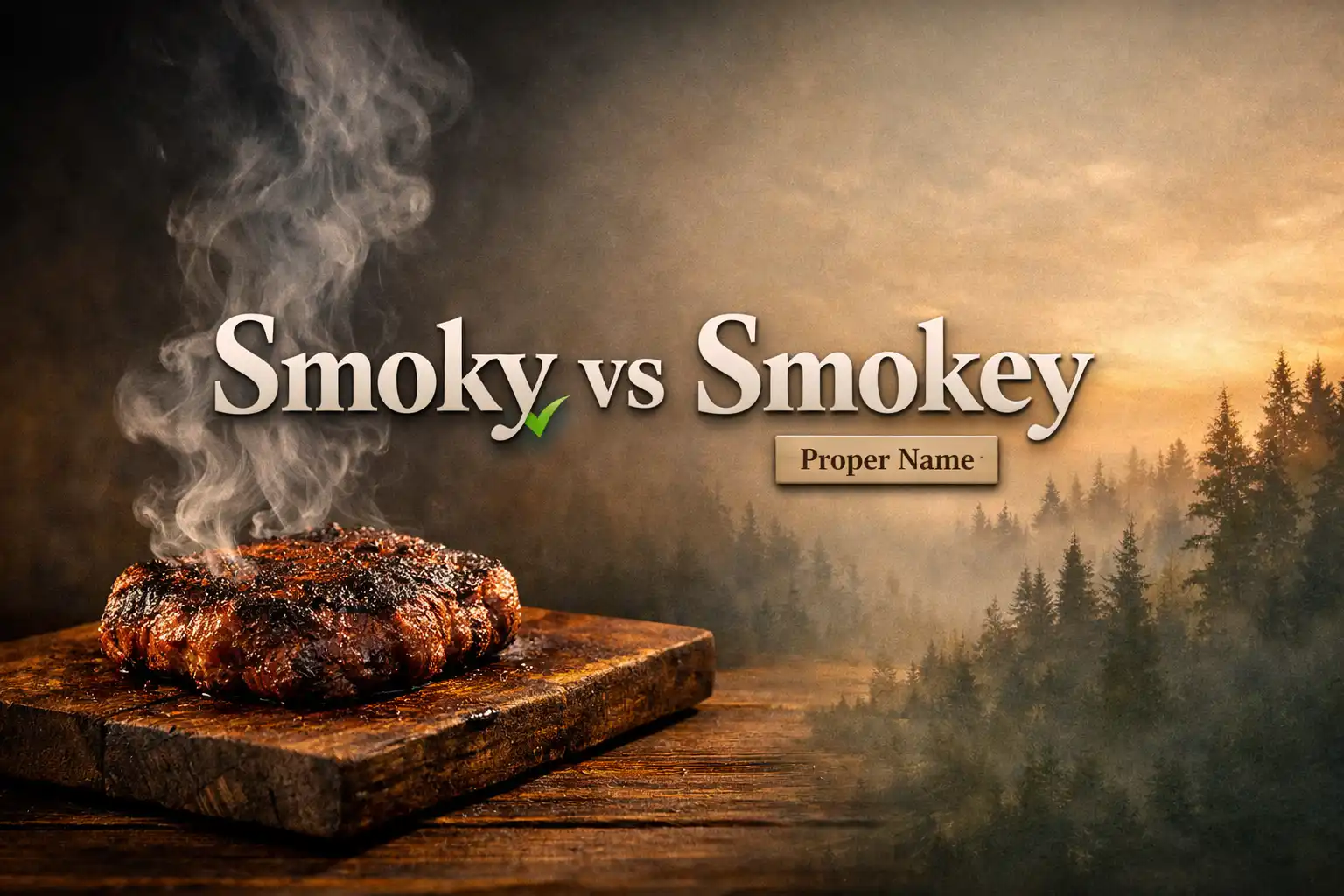
Smoky or Smokey – Correct Spelling, Meaning, Grammar Rules & Examples 2026 Guide

smoky or smokey

English spelling can sometimes be confusing, especially when two words look almost identical but are used differently. One common example is smoky or smokey. Many English learners, writers, and even native speakers often wonder which spelling is correct. Understanding the difference between smoky or smokey is important because correct spelling improves writing clarity, professionalism, and … Read more

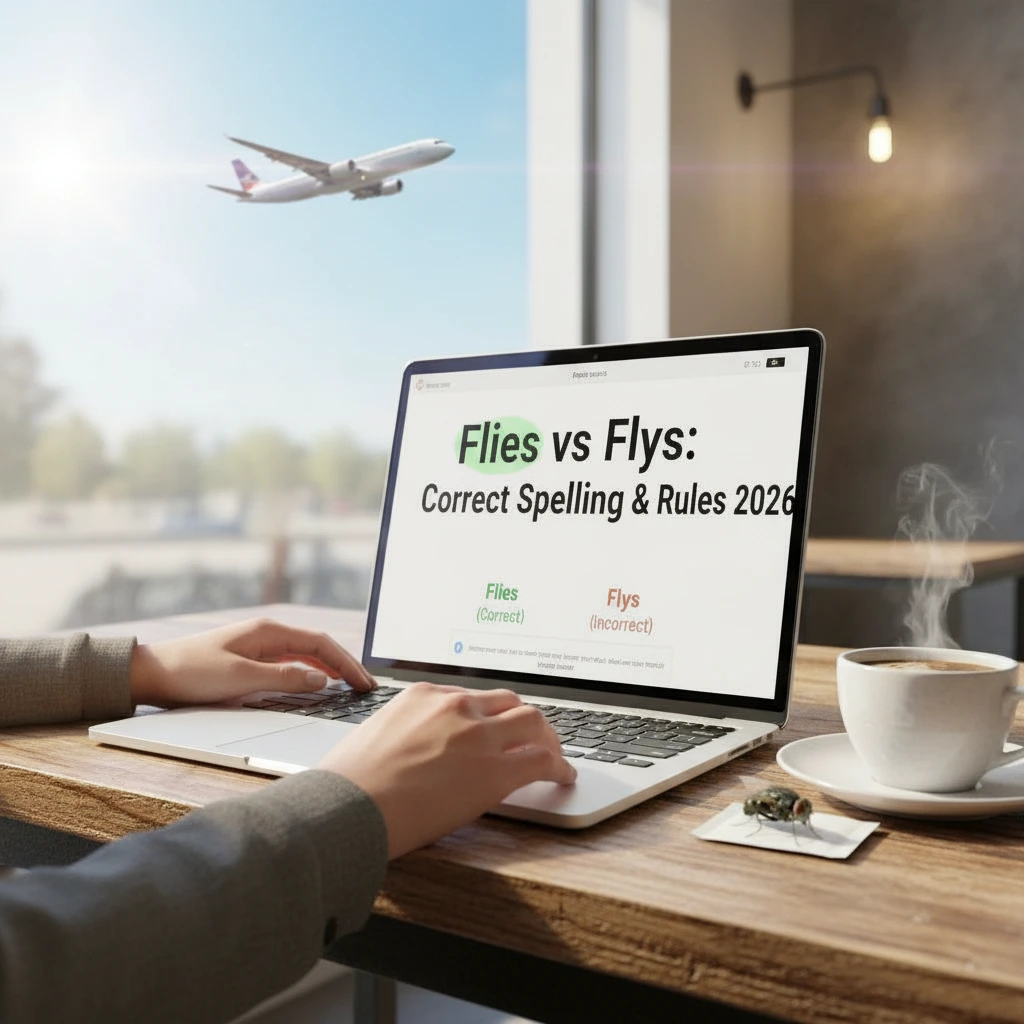
Flies vs Flys – Correct Spelling, Grammar Rules & Real Examples 2026 Guide

flies vs flys

English spelling can sometimes feel confusing, especially when words change form depending on grammar rules. One of the most common questions learners ask is about flies vs flys. Are both correct? When should you use each one? And why does English sometimes change words like fly into flies? Understanding the difference between flies vs flys … Read more

Roll Call or Role Call – Correct Meaning, Grammar Rules, Examples & Common Mistakes 2026 Guide

roll call or role call

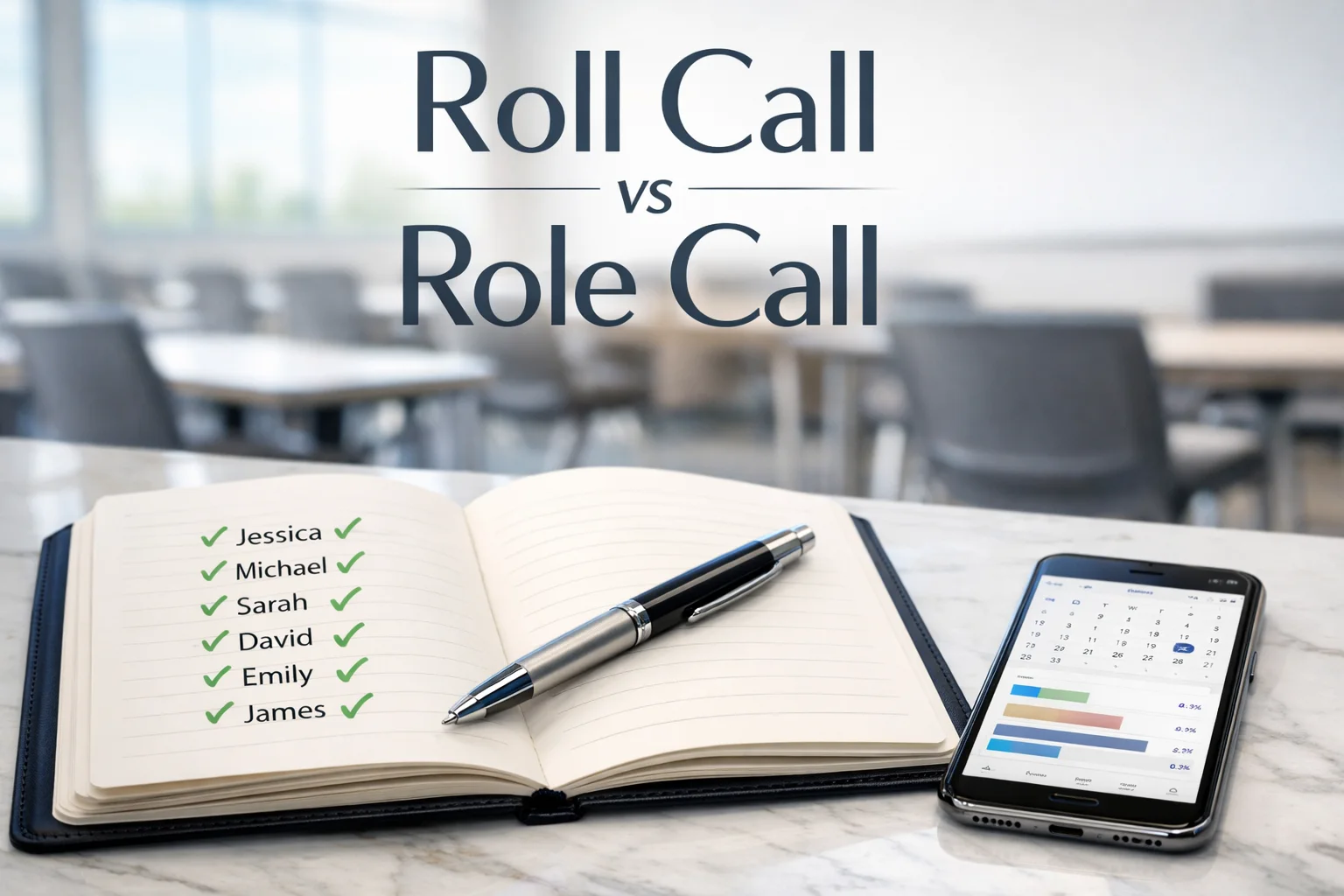
English learners often struggle with confusing word pairs that sound identical but have completely different meanings. One such confusing pair is roll call or role call. At first glance, these two phrases may seem interchangeable because they sound identical when spoken. However, in proper English grammar, only one of them is correct in most situations. … Read more

Time Flys or Time Flies – Meaning, Grammar Rules, Examples & Common Mistakes 2026 Guide

time flys or time flies

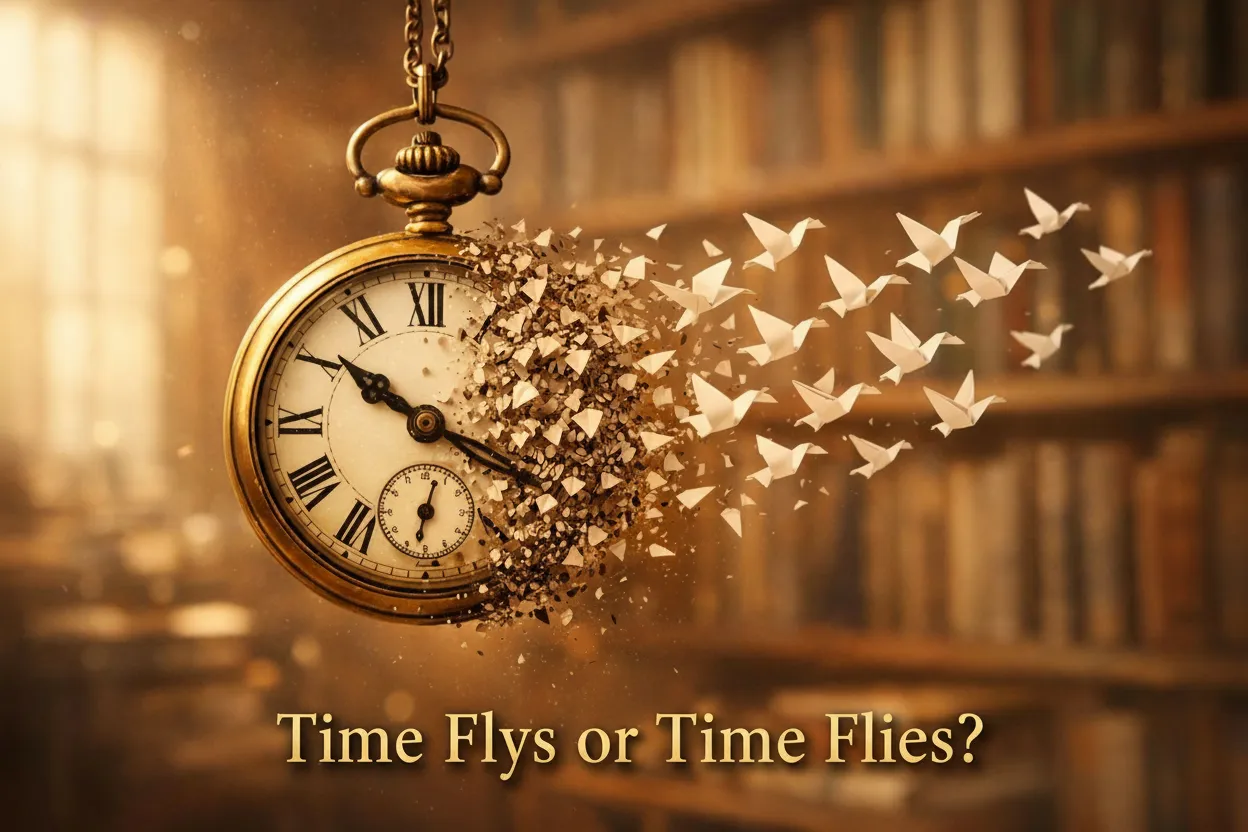
In the world of English grammar, small errors like “time flys” vs. “time flies” can make a big difference in clarity and professionalism.  Understanding which form to use not only improves your writing but also helps you communicate more effectively.  This guide will explore the correct spelling, usage, and common mistakes surrounding the phrase “time … Read more

Moreso or More So – Correct Usage, Meaning, Rules & Examples 2026 Guide

Moreso or More So

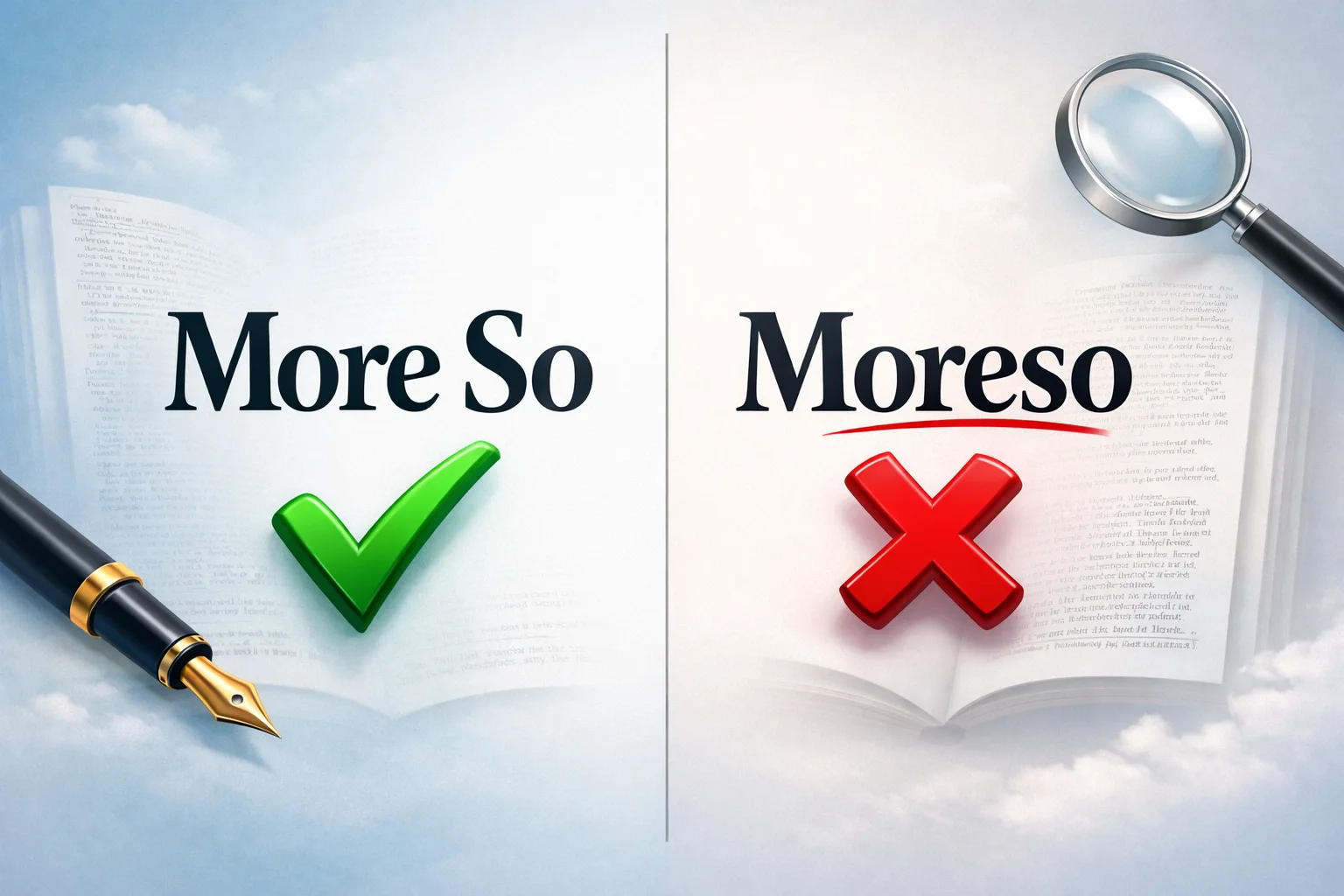
English learners often struggle with small word variations that look similar but follow different grammar rules. One such confusing pair is Moreso or More So. At first glance, both forms seem correct, and you might even see them used interchangeably online. However, in standard English grammar, “more so” is the correct and widely accepted form, … Read more

How Do You Spell Referred? Correct Spelling, Grammar Rules & Examples 2026 Guide

how do you spell referred

English spelling can sometimes be confusing, especially when words change form depending on grammar rules. One common question many learners ask is how do you spell referred and why it sometimes appears with two “r” letters. Understanding the correct spelling of referred is important because this word appears frequently in academic writing, emails, professional communication, … Read more

Nosey or Nosy – Meaning, Grammar Rules, Examples & Common Mistakes 2026 Guide

nosey or nosy

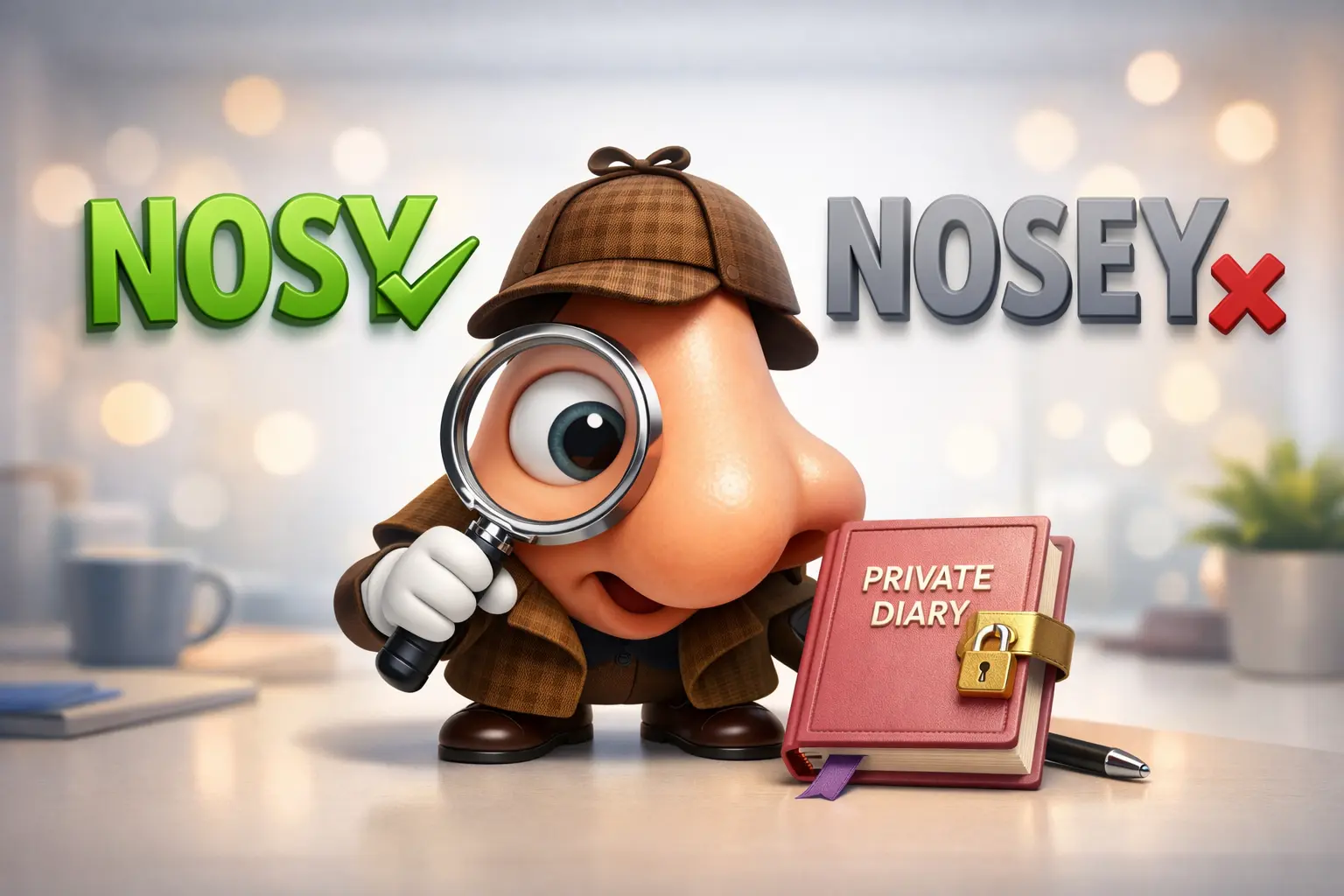
Many English learners often get confused about nosey or nosy. At first glance, both spellings look correct. They sound the same. They even appear in books and online posts. So which one is right? If you’ve ever hesitated before writing this word, you’re not alone. Small spelling differences can make a big impact on your … Read more

To Bad or Too Bad – Meaning, Grammar Rules, Examples & Common Mistakes (2026 Guide)

to bad or too bad

Many English learners often struggle with small but important word differences -and one of the most common confusions is to bad or too bad. At first glance, both look similar, but only one is grammatically correct in most situations. Understanding the difference is essential for writing clearly, speaking correctly, and avoiding embarrassing grammar mistakes. Whether … Read more